
What's Happening?
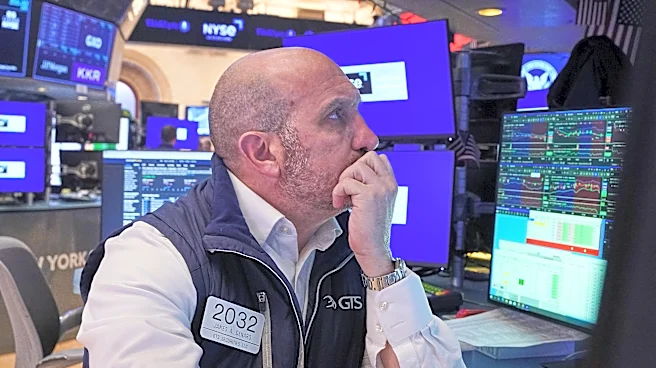
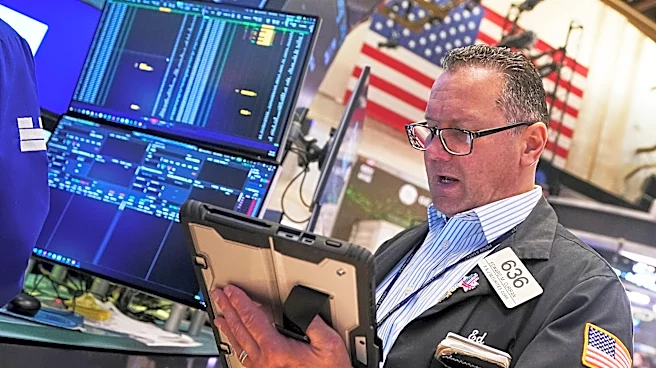
The U.S. stock market has shown resilience, with the S&P 500 and Nasdaq Composite reaching new highs despite ongoing tensions in the Middle East. A ceasefire in the region, particularly concerning Iran's
actions in the Strait of Hormuz, has been challenged by continued hostilities. Iran's seizure of ships and the U.S. military blockade have kept the situation tense. Despite these geopolitical challenges, the markets have been buoyed by strong earnings reports, particularly from tech companies like SK Hynix, which reported record profits due to high demand for AI-related products.
Why It's Important?
The ability of the U.S. markets to reach new highs amidst geopolitical tensions highlights the resilience and strength of the American economy. This situation underscores the importance of technology and innovation as key drivers of economic growth. However, the ongoing tensions in the Middle East, particularly involving oil prices, could have significant implications for global energy markets. A prolonged conflict could lead to increased oil prices, affecting transportation and manufacturing costs worldwide, and potentially leading to inflationary pressures.
What's Next?
Investors and market analysts will continue to monitor the situation in the Middle East closely, as any escalation could impact global markets. The U.S. government may engage in diplomatic efforts to stabilize the region and ensure the free flow of oil through the Strait of Hormuz. Additionally, companies will likely continue to report earnings, which could further influence market trends. The Federal Reserve's approach to inflation, particularly in light of Kevin Warsh's comments on measuring inflation, will also be a key area of focus.