







What's Happening?
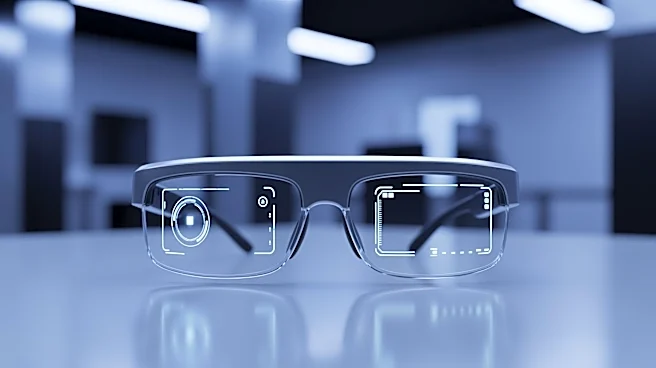
In 2026, significant shifts in augmented reality (AR) technology are reshaping the landscape for consumers and creators. Apple is reportedly testing four different smart-glasses designs, which could influence device choices and launch timing. Meanwhile,
Meta has increased the price of its Quest 3 by $100, potentially affecting consumer adoption. Sony has introduced the XYN platform, offering new AR-guided tools for photographers. These developments are altering who can build AR, the associated costs, and the timeline for mainstream adoption of AR wearables. Additionally, AR SaaS platforms are gaining traction, democratizing AR builds by enabling brands and museums to launch overlays without deep engineering expertise.
Why It's Important?
These advancements in AR technology have broad implications for various stakeholders. The price increase of Meta's Quest 3 may slow consumer adoption, impacting the market dynamics for VR/AR devices. Apple's exploration of multiple smart-glasses designs suggests a shift towards more diverse product offerings, which could force competitors to diversify their product lines. Sony's XYN platform provides creators with new tools, potentially lowering the barrier to entry for complex visual content production. The rise of AR SaaS platforms is significant for marketing and retail sectors, as it allows for measurable ROI through easier implementation of AR campaigns. Overall, these changes could redefine the AR market, influencing consumer choices and creative opportunities.
What's Next?
As these developments unfold, consumers and creators will need to navigate the evolving AR landscape. Buyers face a choice between waiting for Apple's new variants or committing to Meta's ecosystem despite the price hike. Creators are encouraged to test Sony's XYN workflows and prototype AR campaigns using new SaaS tools. Developers must prepare for increased fragmentation across form factors and price tiers. The industry will likely see more headsets optimized for various applications, leading to further innovation and competition. Stakeholders will need to assess their strategies and investments in AR technology as these shifts continue to impact the market.
Beyond the Headlines
The democratization of AR technology through SaaS platforms could have long-term cultural and economic implications. By lowering the technical barriers to entry, these platforms enable a wider range of organizations, including museums and brands, to engage with AR technology. This could lead to increased public interaction with AR experiences, fostering greater acceptance and integration of AR into everyday life. Additionally, the diversification of smart-glasses designs by Apple may set new standards for user comfort and functionality, influencing future product development across the industry.