



What's Happening?
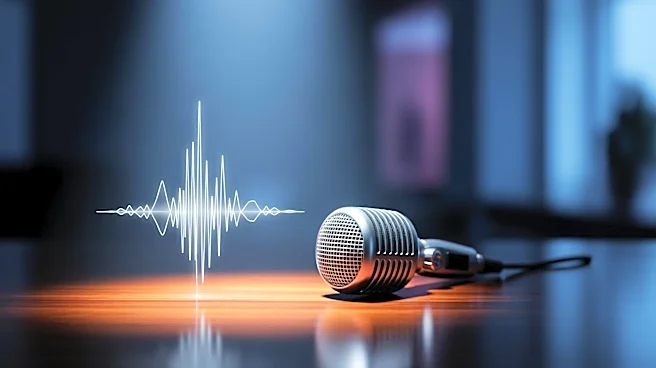
Taylor Swift has initiated a legal strategy to protect her identity from potential misuse by artificial intelligence. On April 24, Swift's company filed three trademark applications with the U.S. Patent & Trademark Office. These applications include sound
trademarks for phrases like 'Hey, it’s Taylor Swift' and 'Hey, it’s Taylor,' as well as a visual trademark depicting Swift with a pink guitar on stage. This move follows a similar legal approach by actor Matthew McConaughey, who secured trademarks for his voice and likeness. The filings, made by Swift's TAS Rights Management, reflect growing concerns in the entertainment industry about AI's potential to exploit artists' voices and images without consent. Intellectual-property attorney Josh Gerben noted that these trademarks could provide additional legal remedies beyond traditional right-of-publicity claims.
Why It's Important?
The trademark filings by Taylor Swift highlight a significant shift in how artists are seeking to protect their intellectual property in the digital age. As AI technology advances, the risk of unauthorized use of an artist's voice and likeness increases, potentially impacting their brand and revenue. By securing trademarks, artists like Swift and McConaughey aim to establish stronger legal grounds to combat AI-generated content that misappropriates their identity. This approach could set a precedent for other artists and influence future legal frameworks regarding AI and intellectual property rights. The ability to file trademark infringement lawsuits in federal court offers a nationwide deterrent against misuse, providing a more robust defense compared to state-level right-of-publicity laws.
What's Next?
The effectiveness of the 'trademark yourself' strategy in the context of AI remains to be fully tested in court. However, it could pave the way for artists to issue takedown claims against AI platforms, similar to how studios enforce copyrights. As AI technology continues to evolve, legal experts and artists will likely explore additional measures to safeguard their identities. The outcome of any future legal challenges involving these trademarks could influence how intellectual property laws adapt to address AI-related issues. Meanwhile, other artists may follow Swift's lead, seeking similar protections to maintain control over their personal brand and image.