
What's Happening?
The Cosmetics Business editorial team has forecasted several beauty trends set to make a significant impact in 2026. Among these, 'wearable maximalism' is expected to dominate, marking a shift away from
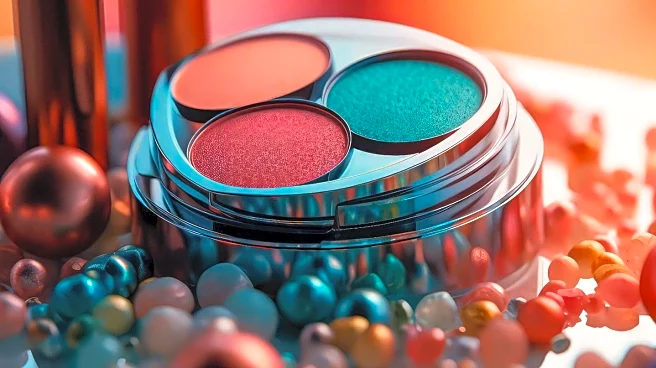
the minimalist 'clean girl' aesthetic. This trend will see a resurgence of bold, experimental makeup styles characterized by brighter colors and more playful designs. The trend is supported by data from social media platforms like Pinterest, which reports an increase in searches for 'eccentric makeup' and 'weird makeup looks.' Additionally, the return of messy punk-grunge-inspired makeup is anticipated, encouraging a more relaxed and smudged appearance. Other notable trends include the rise of 'spicules,' a marine sponge derivative with microneedling-like effects, and 'metabolic beauty,' which combines technology and wellness for personalized skincare solutions.
Why It's Important?
These emerging beauty trends reflect a broader cultural shift towards individuality and self-expression in the cosmetics industry. As consumers increasingly seek products that cater to their specific needs and preferences, brands are likely to innovate and diversify their offerings. The emphasis on bold and experimental makeup could drive sales in the cosmetics sector, encouraging companies to invest in new product lines and marketing strategies. Furthermore, the integration of technology in beauty products, as seen with 'metabolic beauty,' highlights the growing intersection of tech and personal care, potentially leading to advancements in personalized skincare solutions. This evolution in consumer preferences could significantly impact market dynamics, influencing how beauty brands develop and promote their products.
What's Next?
As these trends gain traction, beauty brands may focus on developing products that align with the wearable maximalism aesthetic and other emerging styles. Companies might also explore collaborations with influencers and makeup artists to capitalize on the growing demand for bold and unique looks. Additionally, the rise of 'metabolic beauty' suggests a potential increase in partnerships between tech companies and beauty brands to create innovative skincare solutions. As consumers continue to prioritize individuality and personalization, the industry could see a shift towards more inclusive and diverse product offerings, catering to a wider range of skin tones and types.
Beyond the Headlines
The predicted trends for 2026 also raise questions about the sustainability and ethical considerations of the beauty industry. As brands strive to meet consumer demands for innovative products, there may be increased scrutiny on the sourcing and environmental impact of new ingredients like spicules. Additionally, the focus on technology-driven beauty solutions could lead to discussions about data privacy and the ethical use of consumer information. As the industry evolves, companies may need to address these concerns to maintain consumer trust and ensure long-term success.