
What's Happening?
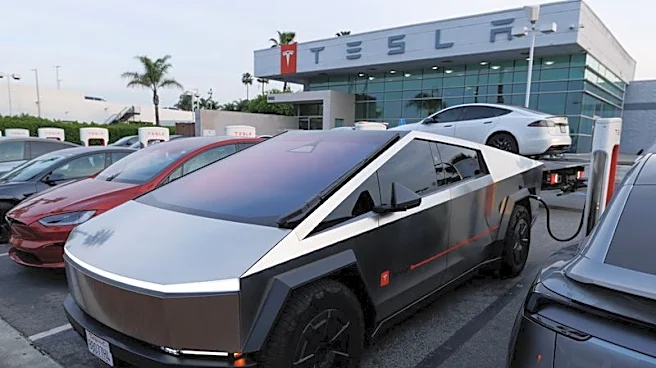
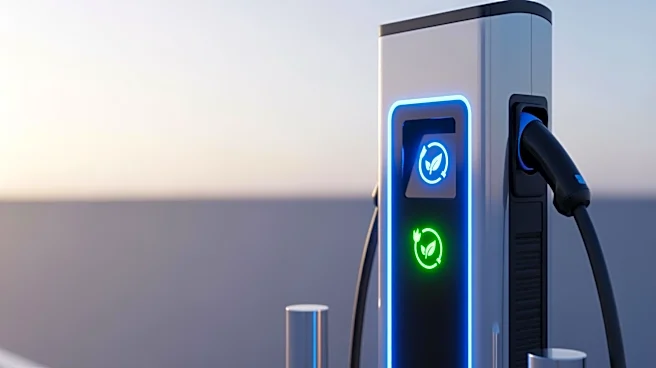
In the first quarter of 2026, over 3,000 fast electric vehicle (EV) chargers were installed across the United States, according to a report by Parens. This development is part of a broader trend towards
faster EV charging infrastructure, with high-power chargers (250+ kW) becoming more prevalent. The focus is on increasing throughput rather than the number of stations, with more ports per site being installed. This expansion of charging infrastructure is crucial for reducing range anxiety among EV users, a significant barrier to EV adoption. The availability of fast chargers, particularly along interstates and highways, supports long-distance travel and enhances the convenience of driving electric vehicles.
Why It's Important?
The increase in fast EV charger installations is a critical step towards supporting the growing adoption of electric vehicles in the U.S. As more chargers become available, particularly in public and easily accessible locations, the primary concern of range anxiety is alleviated. This infrastructure development is essential for encouraging more consumers to switch from gasoline to electric vehicles, contributing to environmental goals and reducing reliance on fossil fuels. The trend also reflects a shift in consumer preferences and the automotive industry's response to these changes. The expansion of charging networks is likely to have a positive impact on EV sales and the broader transition to sustainable transportation.
What's Next?
The continued installation of fast EV chargers is expected to support the increasing number of electric vehicles on the road. As more chargers are installed at retail outlets and along major travel routes, the convenience and feasibility of owning an EV will improve. This infrastructure growth is likely to drive further EV adoption, prompting automakers to accelerate their electrification strategies. Policymakers and industry stakeholders will need to ensure that the expansion of charging networks keeps pace with the rising demand for electric vehicles, addressing any potential bottlenecks in the supply chain or regulatory hurdles.