
What's Happening?
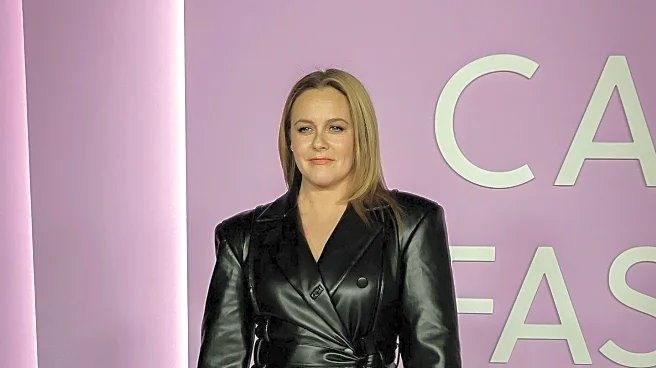
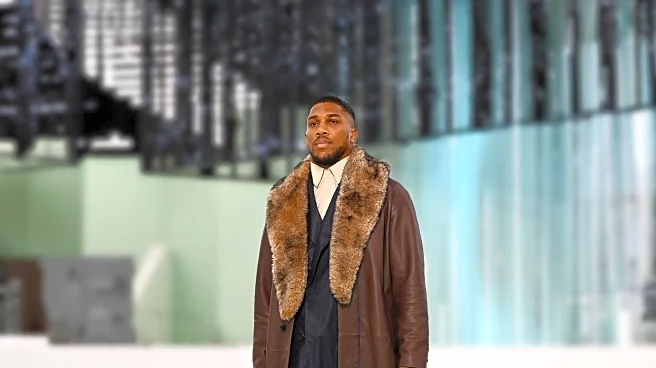
New York Fashion Week is experiencing a significant shift as many designers opt out of the traditional schedule, choosing instead to showcase their collections in other cities like Paris. This trend is attributed
to the high costs associated with participating in New York Fashion Week, which can exceed $200,000 for a single show. As a result, smaller designers find it financially unsustainable, while larger brands are able to draw audiences through independent events. Despite these challenges, the Council of Fashion Designers of America (CFDA) emphasizes the diversity of the event, with 125 brands participating this season. The shift reflects an industry evolution where fashion weeks are no longer the sole platform for brand exposure.
Why It's Important?
The changes in New York Fashion Week highlight a broader transformation in the fashion industry. As designers seek more cost-effective and impactful ways to present their collections, the traditional fashion week model is being questioned. This evolution could democratize the industry, allowing smaller brands to gain visibility without the financial burden of a major fashion week. Additionally, it underscores the growing importance of digital platforms and off-calendar events in reaching global audiences. The shift may also impact New York's status as a fashion capital, as more designers gravitate towards cities like Paris and Milan.
What's Next?
As the fashion industry continues to adapt, we may see further innovations in how collections are presented. Designers might increasingly leverage digital platforms and unique event formats to engage with audiences. The CFDA and other industry stakeholders may need to rethink the structure and purpose of fashion weeks to remain relevant. Additionally, the economic pressures influencing these changes, such as inflation and tariffs, could lead to more strategic collaborations and cost-sharing initiatives among designers.