



What's Happening?
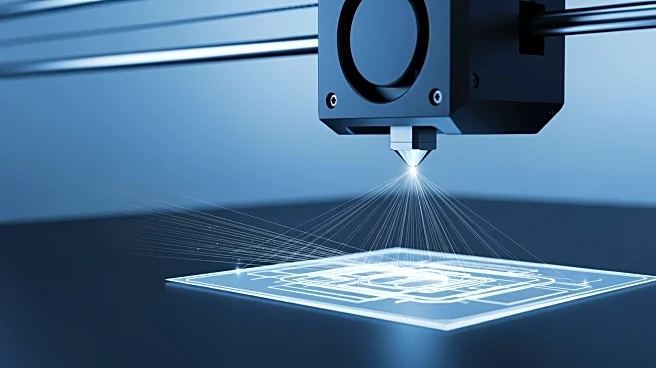
New York's 2026-2027 executive budget bill, S.9005/A.10005, introduces new requirements for manufacturers of 3D printers and digital fabrication equipment. The bill mandates the inclusion of 'blocking technology' in devices sold within the state. This technology is designed to scan every design file and halt production if a 'firearms blueprint detection algorithm' identifies a file as potentially related to guns or gun components. The legislation aims to prevent the unauthorized production of firearms using 3D printing technology. However, the bill's broad definitions extend beyond consumer 3D printers to include any machine capable of making three-dimensional changes from a digital design, affecting repair businesses and small manufacturing
firms. The bill also imposes penalties of up to $10,000 per violation and requires all 3D printer sales to occur in person.
Why It's Important?
The proposed legislation could significantly impact the 3D printing industry in New York by imposing stringent controls on the sale and operation of 3D printers. Manufacturers and users of 3D printing technology may face increased costs and operational challenges due to the need for compliance with the new file-scanning requirements. The bill could also stifle innovation and limit the use of open-source firmware projects, which are often maintained by volunteer communities and operate offline. The requirement for in-person sales could further restrict access to 3D printing technology, particularly for small businesses and hobbyists. While the bill aims to enhance public safety by preventing the illegal production of firearms, it may also disrupt legitimate uses of 3D printing technology and hinder the growth of the industry.
What's Next?
If the bill is enacted, manufacturers and users of 3D printing technology in New York will need to adapt to the new requirements. This may involve developing or acquiring the necessary 'blocking technology' to comply with the file-scanning mandate. Businesses may also need to adjust their sales strategies to accommodate the in-person sales requirement. Stakeholders, including manufacturers, industry groups, and civil liberties organizations, may challenge the bill's provisions, arguing that they are overly broad and could infringe on digital rights. The outcome of these discussions and potential legal challenges will shape the future of 3D printing regulation in New York.