



What's Happening?
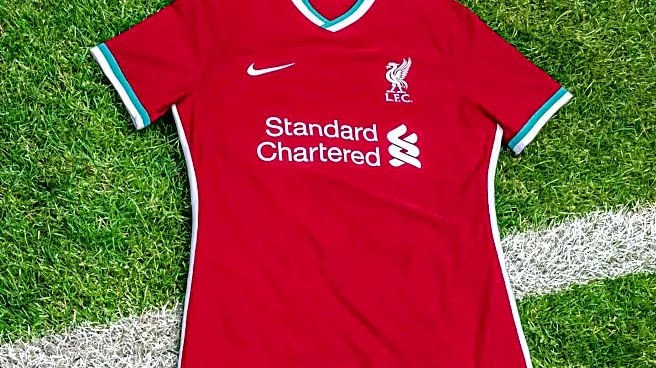
Designers are creatively repurposing old football kits to prevent them from ending up in landfills. With an estimated 60% of kits destroyed at the end of each season, designers like Hattie Crowther are upcycling these garments into unique fashion pieces. This movement is part of a broader effort to address the environmental impact of the fashion industry, particularly the overproduction and waste associated with sports apparel. Initiatives like Vintage Threads' rework service and Green Football's campaigns aim to extend the life of these garments, promoting sustainability in fashion.
Why It's Important?
The upcycling of football kits represents a significant step towards sustainable fashion practices. By transforming discarded sports apparel into new, desirable
items, designers are reducing waste and encouraging a circular economy. This approach not only addresses environmental concerns but also offers financial opportunities for the fashion industry. As consumer awareness of sustainability grows, such initiatives could lead to broader changes in production and consumption patterns, influencing how sports and fashion industries operate.
Beyond the Headlines
The movement towards upcycling football kits highlights the potential for integrating sustainability into mainstream fashion. It challenges traditional production models and encourages innovation in design. The success of these initiatives could inspire other sectors to adopt similar practices, contributing to a more sustainable global economy. Additionally, the cultural significance of football kits, often tied to team loyalty and identity, adds a unique dimension to this sustainability effort, potentially increasing consumer engagement.