





What's Happening?
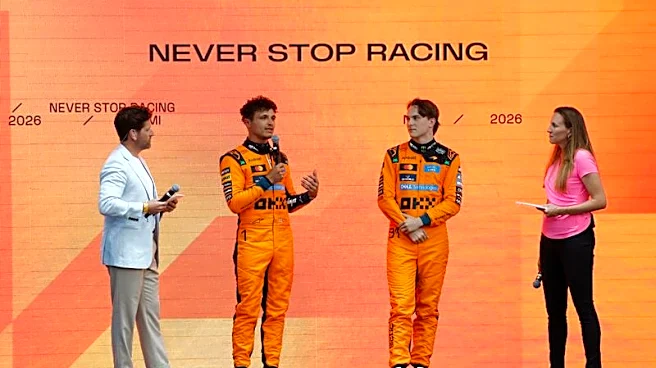
Lando Norris, a prominent Formula 1 driver, has expressed skepticism about the enjoyment of driving the new generation of F1 cars compared to previous models. The new regulations, which include V6 hybrid turbo engines with a focus on battery power, have
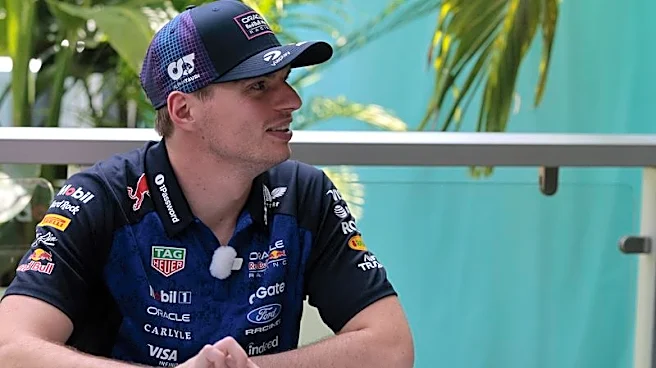
been met with criticism from Norris and other drivers. Despite minor rule adjustments aimed at improving the racing experience, Norris doubts these changes will significantly enhance the enjoyment or performance of the cars. He acknowledges that while the cars have their merits, they are not as enjoyable as their predecessors. The changes, intended to address issues like excessive lifting and coasting during qualifying, are seen as insufficient by some drivers, including Max Verstappen, who described them as merely a 'tickle'.
Why It's Important?
The dissatisfaction among drivers like Norris and Verstappen highlights ongoing tensions within Formula 1 regarding the direction of the sport's technological evolution. The new regulations are part of a broader effort to make F1 more sustainable and technologically advanced, but they also risk alienating drivers who prefer the traditional racing experience. This discontent could influence future rule changes and the sport's overall strategy. The feedback from drivers is crucial as it could lead to further modifications to ensure the sport remains competitive and enjoyable, balancing technological advancements with the drivers' preferences.
What's Next?
As the Formula 1 season progresses, the impact of these new regulations will continue to be evaluated. Drivers and teams may push for more significant changes if the current adjustments fail to improve the racing experience. The ongoing dialogue between drivers, teams, and the governing body will be critical in shaping the future of F1. Stakeholders will need to consider both the technological goals and the drivers' feedback to maintain the sport's appeal and competitive edge.