




What's Happening?
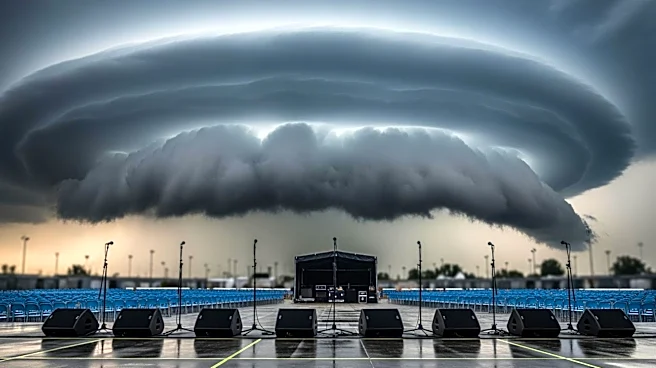
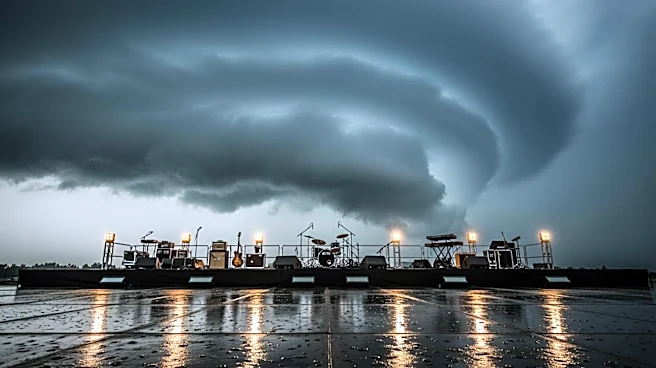
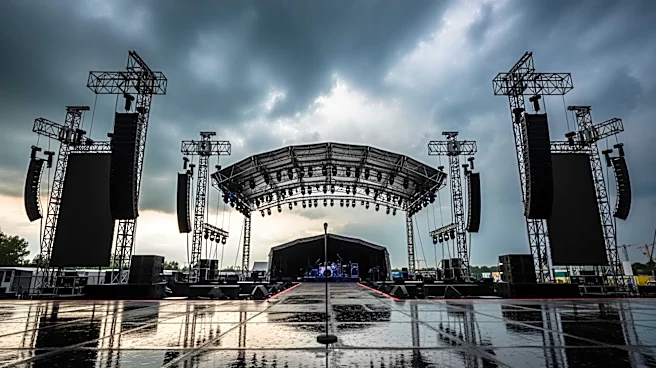
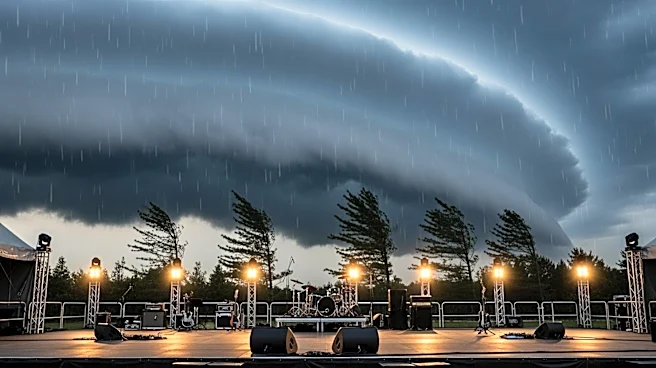
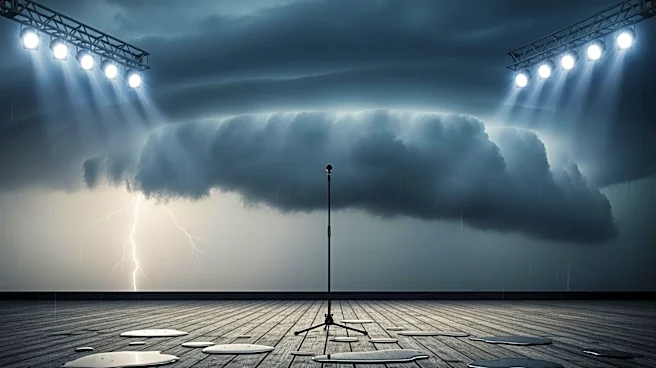
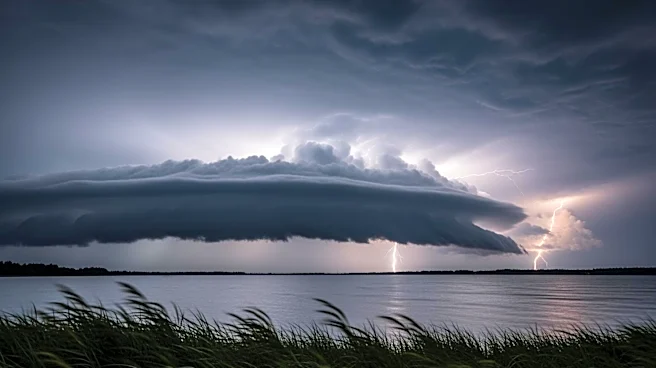
Country singer Zach Bryan was forced to cancel his scheduled concert in Tulsa, Oklahoma, due to severe weather conditions. The decision was made following a meeting with local authorities, including the police, school officials, and meteorologists, who
collectively determined that the concert posed a safety risk to attendees. The weather forecast predicted dangerous winds, heavy rain, and the possibility of tornadoes, prompting Bryan and his team to prioritize public safety. Bryan expressed his regret over the cancellation on social media, emphasizing that it was a necessary decision to protect his fans. He assured ticket holders that they would receive refunds for the canceled event.
Why It's Important?
The cancellation of Zach Bryan's concert highlights the significant impact of extreme weather events on public gatherings and the entertainment industry. Such decisions underscore the importance of prioritizing safety over commercial interests, especially in regions prone to severe weather. This incident also reflects the broader challenges faced by event organizers in ensuring the safety of large crowds amidst unpredictable weather patterns. The financial implications for both the artist and the local economy, which benefits from such events, are considerable. Additionally, it raises awareness about the increasing frequency of extreme weather events and their potential to disrupt planned activities.
What's Next?
As weather patterns continue to become more unpredictable, event organizers may need to implement more robust contingency plans to address potential cancellations. This could involve closer collaboration with meteorological services and local authorities to ensure timely and accurate weather assessments. For fans, the focus will be on receiving timely refunds and updates on rescheduled events. The entertainment industry might also explore alternative venues or dates to mitigate the impact of weather-related disruptions. Furthermore, this incident may prompt discussions on the need for improved infrastructure and emergency response strategies to handle such situations more effectively in the future.