






What's Happening?
Kevin Hart has addressed the backlash surrounding Tony Hinchcliffe's performance at his Netflix roast. During an appearance on 'The Breakfast Club,' Hart discussed the controversial nature of Hinchcliffe's jokes, particularly one referencing George Floyd.
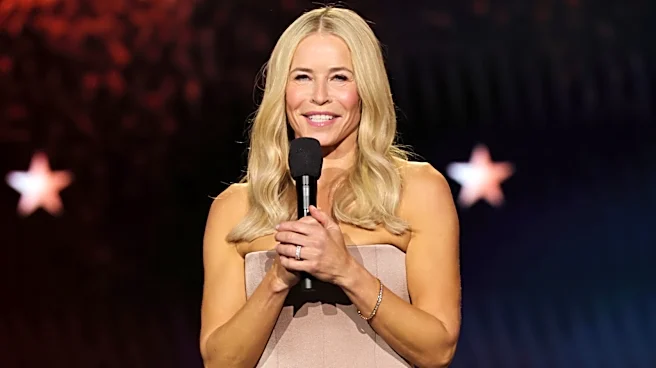
Hart acknowledged that the joke was not tasteful to the audience but noted that such humor is typical in roast settings. He emphasized that he was not surprised by the content, as it aligns with the style of comedy expected at roasts. Hart also mentioned that he does not wish to be involved in the discourse surrounding the controversial material, stating that the production is beyond his control. The roast, which also featured comedians like Pete Davidson, has sparked discussions about the boundaries of comedy, with some, including Chelsea Handler, criticizing the jokes as racist and sexist.
Why It's Important?
The controversy highlights ongoing debates about the limits of comedic expression, especially in contexts involving sensitive topics like race and violence. Roasts are known for pushing boundaries, but the backlash indicates a growing sensitivity to jokes that may perpetuate harmful stereotypes or trivialize serious issues. This incident underscores the tension between comedic freedom and social responsibility, as audiences and performers navigate what is considered acceptable humor. The reactions from both the public and fellow comedians reflect broader societal shifts towards more inclusive and respectful discourse, challenging traditional comedic norms.
What's Next?
As the conversation around comedy and its boundaries continues, it is likely that comedians and producers will face increased scrutiny over their content. This could lead to more cautious approaches in crafting jokes, particularly in high-profile settings like televised roasts. The entertainment industry may also see a push for clearer guidelines on what constitutes acceptable humor, balancing creative freedom with cultural sensitivity. Additionally, public and industry reactions to this controversy may influence future programming decisions by networks and streaming platforms.