


What's Happening?
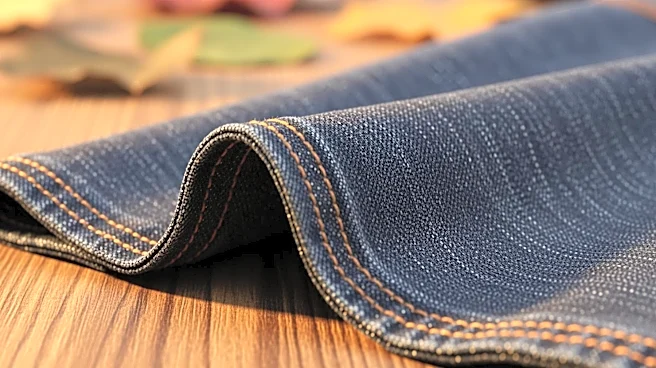
Naveena Group Lahore has unveiled its Fall/Winter 2027-2028 collection, focusing on sustainable and high-performance materials. The collection is characterized by innovative fiber blends that enhance performance, durability, and sustainability, with a strong
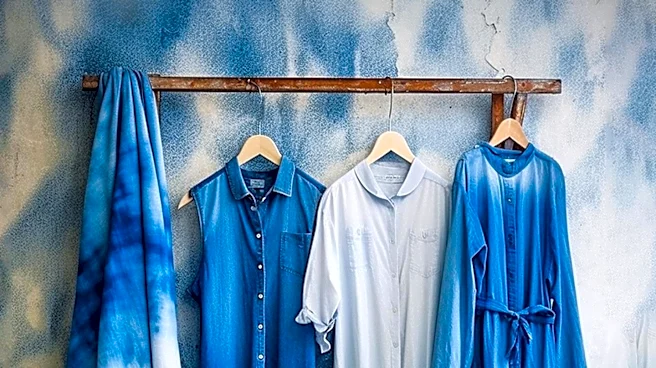
emphasis on comfort. Key materials include wool for its natural insulation and kapok for its lightweight and biodegradable properties. The collection also incorporates post-consumer waste and recycled fibers to support circularity. Tencel fibers, including Tencel Lyocell HV100, are used for their superior softness and moisture management. The collection features a brushing concept to enhance fabric softness and a G-2 Ozone finish to reduce water, energy, and chemical consumption. The color palette includes rich tones like rust, soft lilac, and deep green, moving beyond traditional indigo.
Why It's Important?
This development is significant as it highlights the growing trend towards sustainability in the fashion industry. By using natural and recycled materials, Naveena Group Lahore is addressing environmental concerns and reducing reliance on virgin resources. The emphasis on comfort and performance aligns with consumer demand for high-quality, sustainable products. This approach not only benefits the environment but also positions Naveena as a leader in sustainable fashion innovation. The use of advanced techniques to minimize environmental impact reflects a broader industry shift towards eco-friendly practices, which could influence other manufacturers to adopt similar strategies.
What's Next?
Naveena Group Lahore's focus on sustainability and innovation is likely to influence future collections and industry standards. As consumer demand for sustainable products grows, other manufacturers may follow suit, leading to increased competition in the sustainable fashion market. The adoption of eco-friendly practices could also prompt regulatory changes, encouraging more companies to prioritize sustainability. Additionally, the success of this collection could lead to further collaborations and innovations in textile technology, enhancing the overall quality and sustainability of fashion products.