







What's Happening?
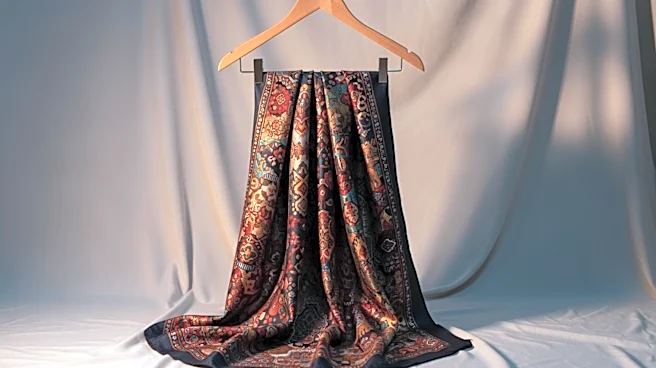
In 1998, during the World Cup in France, David Beckham made headlines not just for his performance on the field but for his fashion choice off it. Beckham was photographed wearing a Jean Paul Gaultier sarong, which sparked a media frenzy in Britain. The
British tabloids, known for their scathing critiques, mocked the soccer star for his daring fashion choice, which challenged traditional gender norms. Despite the backlash, Beckham maintained a positive attitude, and the incident became a significant part of the 'Brand Beckham' narrative. This moment highlighted Beckham's and his wife Victoria's influence on fashion and media, contributing to their multimillion-dollar empire. The sarong incident is now seen as a pivotal moment in late-1990s British culture, reflecting a shift towards more fluid gender expressions in fashion.
Why It's Important?
The sarong incident was more than just a fashion statement; it was a cultural moment that challenged traditional gender roles and highlighted the evolving nature of celebrity influence. Beckham's choice to wear a sarong was a bold move that defied the hyper-masculine culture prevalent in soccer at the time. This event played a crucial role in shaping the public's perception of Beckham as a fashion-forward icon, paving the way for future athletes to express themselves beyond conventional norms. It also underscored the power of media in shaping public opinion and the potential for celebrities to influence societal attitudes towards gender and fashion. The incident contributed to the broader acceptance of diverse fashion choices among men, influencing future generations of athletes and celebrities.
What's Next?
As the 2026 World Cup approaches, the legacy of Beckham's sarong moment continues to influence the fashion choices of athletes. Modern soccer players are increasingly seen embracing bold and unconventional styles, reflecting a shift towards greater acceptance of diverse expressions of masculinity. This trend is likely to continue, with athletes using their platforms to challenge traditional norms and promote inclusivity in fashion. The ongoing dialogue around gender and fashion suggests that future generations will continue to push boundaries, inspired by trailblazers like Beckham. The fashion industry, too, is likely to evolve, with designers creating more gender-fluid collections that cater to a broader audience.
Beyond the Headlines
The sarong incident also highlights the role of media in shaping cultural narratives. In the late 1990s, the British tabloid press wielded significant influence, often dictating public discourse around celebrity culture. Beckham's experience underscores the potential for media to both challenge and reinforce societal norms. As media landscapes evolve with the rise of social media, the power dynamics between celebrities and the press are shifting. Celebrities now have more control over their narratives, using platforms like Instagram to directly engage with audiences. This shift allows for more diverse and authentic expressions of identity, challenging traditional media's gatekeeping role.