






What's Happening?
The U.S. bond market is experiencing a significant sell-off, with the 10-year Treasury yield reaching 4.671% and the 30-year yield hitting 5.178%, levels not seen since 2007. This trend is driven by persistent inflation, changing interest rate expectations,
and shifts in investor behavior. Analysts suggest that the sell-off may continue as inflation remains high and foreign buyers of U.S. Treasuries become more price-sensitive. The composition of Treasury buyers has changed, with more financial centers like the UK and Luxembourg holding significant amounts of U.S. debt.
Why It's Important?
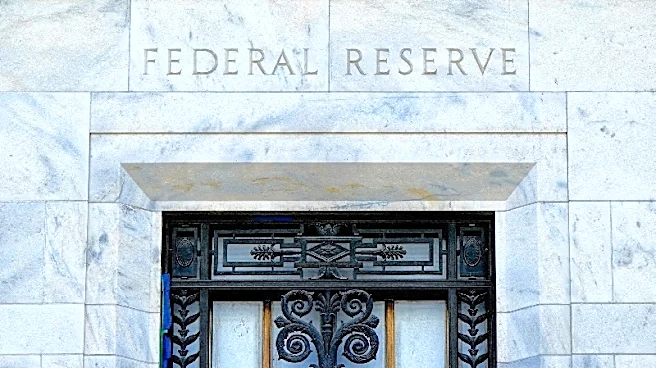
The rising yields pose challenges for the U.S. economy by increasing borrowing costs for consumers and businesses, potentially slowing economic growth. Higher yields can also impact the stock market, as they make bonds more attractive compared to equities. The situation reflects broader concerns about inflation and fiscal policy, with implications for the Federal Reserve's interest rate decisions. The shift in Treasury buyers indicates a more volatile market, as traditional buyers are replaced by more price-sensitive investors.
What's Next?
Investors and analysts will be closely watching inflation data and Federal Reserve actions to gauge future market movements. The potential for further yield increases could lead to adjustments in investment strategies and economic forecasts. The ongoing geopolitical tensions and economic data releases will also play a crucial role in shaping market expectations.