


What's Happening?
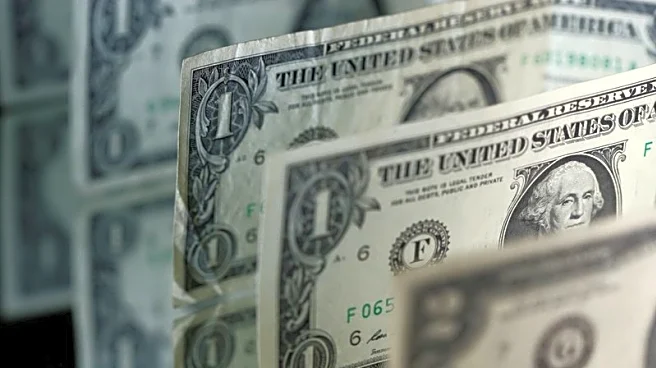
The U.S. dollar has strengthened against major global currencies as oil prices continue to rise amid escalating tensions in the Middle East. The euro and other currencies of major energy-importing countries have weakened, with the euro nearing its lowest
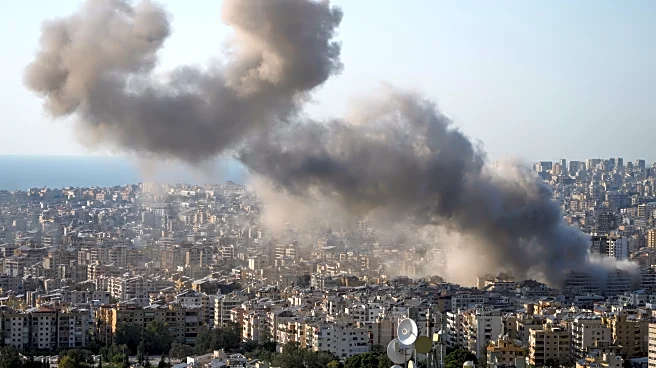
level since November. The surge in oil prices, driven by Iran's military actions and threats to close the Strait of Hormuz, has heightened concerns about global economic growth and energy supply disruptions. The dollar's appeal as a safe-haven currency has been bolstered by the U.S.'s position as a net energy exporter. Despite the International Energy Agency's release of 400 million barrels from strategic reserves, the impact on oil prices has been limited.
Why It's Important?
The strengthening of the U.S. dollar amid rising oil prices underscores the currency's role as a global safe haven during times of geopolitical uncertainty. The potential for prolonged disruptions in energy markets could exacerbate inflationary pressures, particularly in energy-dependent economies. This situation poses challenges for central banks, which may need to adjust monetary policies to address inflation while supporting economic growth. The dollar's rise also reflects the U.S.'s relative economic resilience, given its energy export capabilities, which contrasts with the vulnerabilities of energy-importing regions like Europe.
What's Next?
The ongoing conflict in the Middle East and its impact on oil prices will remain a focal point for global markets. Central banks, including the Federal Reserve, will need to carefully assess the implications for inflation and economic stability. Currency strategists will continue to monitor the dollar's performance and its effects on global trade dynamics. The potential for further escalation in the Middle East could lead to additional volatility in currency and energy markets, prompting policymakers to consider strategic responses.