



What's Happening?
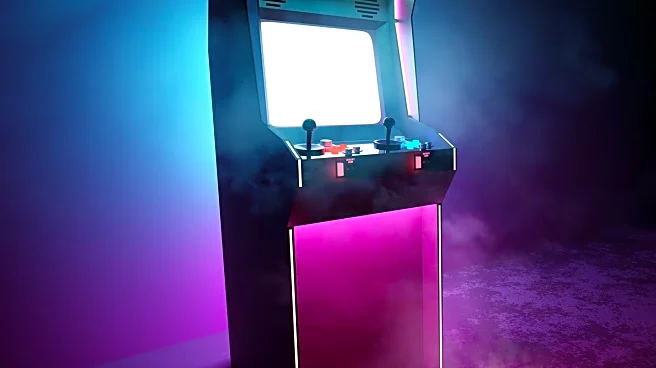
An economics lecturer named Or has dedicated himself to recreating the golden age of arcade gaming by building a meticulously curated collection of arcade machines and retro gaming consoles. Located in Hadera, Or's gaming room features a variety of classic
arcade cabinets, including the highly sought-after Taito Egret II, known for its seated play design. The collection emphasizes authenticity, using original hardware boards instead of modern software emulation, to preserve the genuine gaming experience. Or insists on using CRT screens to avoid input lag, which is common with modern LCD displays. Additionally, he employs MiSTer FPGA technology to replicate the original hardware logic, offering gameplay nearly identical to the original machines. This collection not only serves as a nostalgic journey through gaming history but also explores the emotional and financial aspects of collecting physical gaming artifacts in a digital world.
Why It's Important?
Or's endeavor highlights the enduring appeal and cultural significance of retro gaming, particularly as digital technology continues to dominate the entertainment landscape. By preserving the authenticity of arcade gaming, Or provides a tangible connection to the past, offering insights into the evolution of gaming technology and its impact on home entertainment. This revival of arcade culture underscores the emotional value and community-building aspects of gaming, which were prevalent in the pre-online era. The collection also reflects broader trends in nostalgia-driven markets, where rarity and condition significantly influence the value of collectibles. As such, Or's project not only caters to enthusiasts but also contributes to the understanding of gaming as a cultural and economic phenomenon.
What's Next?
Or's collection is likely to inspire similar efforts among retro gaming enthusiasts, potentially leading to a resurgence in interest for authentic arcade experiences. As more collectors seek to preserve and share these experiences, there may be increased demand for original hardware and CRT technology, despite the challenges of sourcing and maintaining such equipment. Additionally, Or's approach could influence the broader gaming industry to explore ways of integrating retro elements into modern gaming platforms, appealing to both nostalgic audiences and new generations of gamers. The collection may also serve as a catalyst for discussions on the preservation of digital heritage and the role of physical media in an increasingly digital world.
Beyond the Headlines
The revival of arcade gaming through Or's collection raises questions about the preservation of digital culture and the importance of maintaining access to historical gaming experiences. As digital platforms become the norm, the risk of losing access to original gaming formats increases, making efforts like Or's crucial for cultural preservation. Furthermore, the collection highlights the intersection of technology and emotion, demonstrating how gaming can serve as a form of escapism and emotional relief, particularly during challenging times. This aspect of gaming as a therapeutic tool may gain more recognition, influencing future research and applications in mental health and well-being.