



What's Happening?
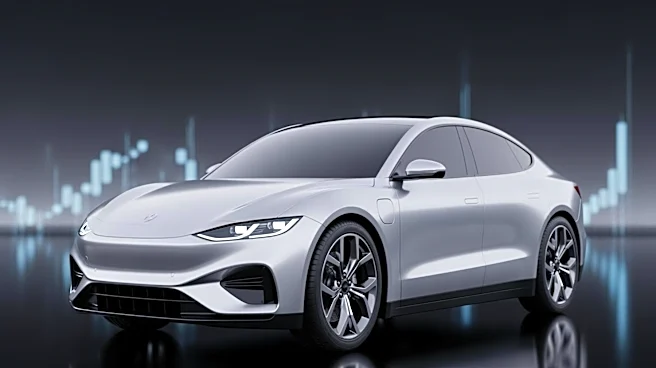
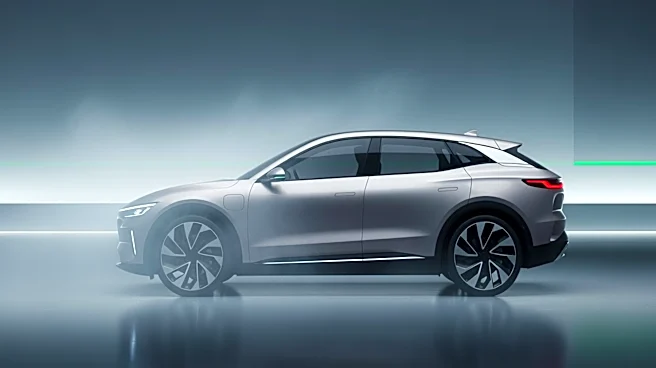
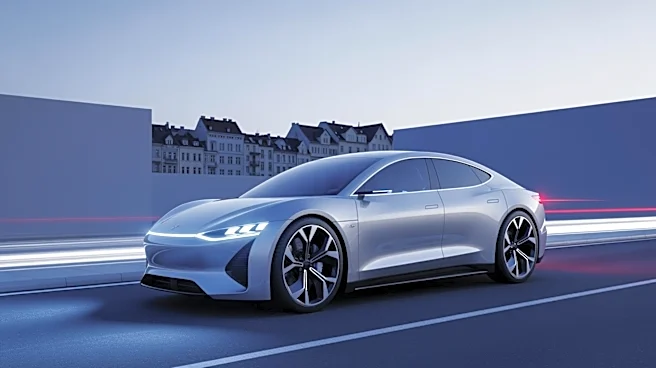
Rivian, an electric vehicle manufacturer based in Irvine, California, has announced a delay in the release of its R2 electric SUV, which was initially expected to be available at a starting price of $45,000. The company now plans to launch this model
in 2027. The R2 is a crucial component of Rivian's strategy to establish itself as a mass-market automaker. The delay was confirmed in a recent post on Rivian's website, where it was also mentioned that more expensive versions of the R2 will be released in the first half of 2026. The R2 configurator is now live on Rivian's website, allowing potential customers to explore various features such as paint colors and interior options. Rivian CEO RJ Scaringe has emphasized the importance of the R2 in scaling the company to produce a larger volume of vehicles, moving beyond the limited production of its current models.
Why It's Important?
The delay in the R2's release is significant as it affects Rivian's ability to compete in the mass-market electric vehicle segment, a space currently dominated by companies like Tesla. The R2's competitive pricing was intended to attract a broader customer base and support Rivian's growth ambitions. By postponing the launch, Rivian risks losing potential market share to competitors who are already established in the affordable EV market. This delay could also impact investor confidence and the company's financial projections, as the R2 was expected to play a pivotal role in driving sales and revenue growth. The decision to delay may reflect challenges in production scaling or supply chain issues, which are common in the automotive industry, especially for newer companies.
What's Next?
Rivian will need to manage customer expectations and maintain interest in the R2 until its eventual release in 2027. The company may focus on enhancing its current product lineup and improving production capabilities to ensure a successful launch of the R2. Additionally, Rivian might explore strategic partnerships or investments to bolster its manufacturing and technological infrastructure. The automotive industry will be watching closely to see how Rivian navigates these challenges and whether it can deliver on its promise of becoming a major player in the electric vehicle market. Stakeholders, including investors and potential customers, will be keen to see updates on the R2's development and any adjustments to Rivian's broader business strategy.