


What's Happening?
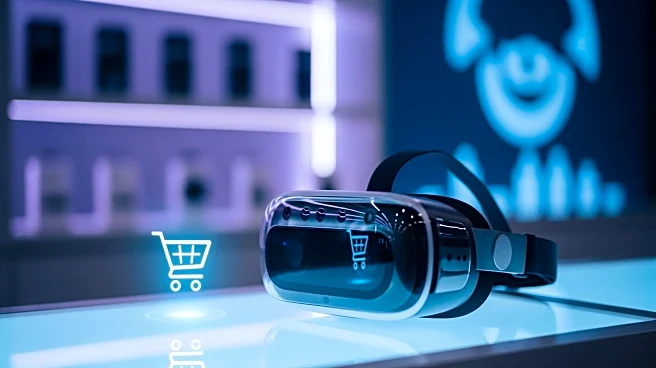
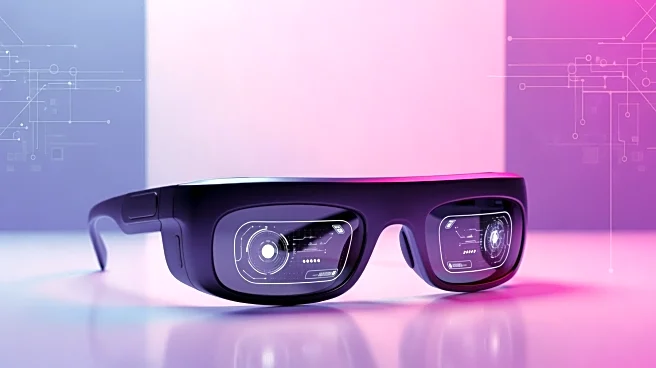
Several major technology companies, including Snap, Apple, and Amazon, are preparing to launch augmented reality (AR) glasses in 2026, aiming to transform consumer experiences. Snap plans to introduce its Specs, designed to integrate AR into Snapchat's social features, allowing users to experience AR filters continuously. Apple is reportedly developing smart glasses that will seamlessly integrate with its ecosystem, enhancing the user experience across iPhone, Watch, and Vision devices. Amazon is also entering the AR market with glasses focused on enhancing retail experiences, providing users with product details and purchase options while shopping. These developments were highlighted in reports from The Verge and Reuters, indicating a significant
shift from prototypes to consumer-ready products.
Why It's Important?
The introduction of AR glasses by these tech giants could significantly impact how consumers interact with technology and retail environments. For Snap, the Specs could enhance social media engagement by offering continuous AR experiences. Apple's entry into the AR market could strengthen its ecosystem, making its devices more appealing to consumers seeking integrated technology solutions. Amazon's focus on retail applications could revolutionize shopping by providing real-time product information and purchase options, potentially increasing consumer spending and altering retail dynamics. These advancements could lead to new app categories, privacy considerations, and a shift in consumer technology use, as AR becomes more integrated into daily life.
What's Next?
As these companies prepare for their 2026 launches, the market will likely see increased competition and innovation in AR technology. Consumers can expect a range of new applications and features as companies strive to differentiate their products. The success of these AR glasses will depend on consumer acceptance of wearing such devices regularly and the practical benefits they offer. Additionally, the integration of AR into existing ecosystems will be crucial in determining the long-term viability and popularity of these products. Stakeholders, including developers and retailers, will need to adapt to these changes, potentially leading to new business models and consumer engagement strategies.