







What's Happening?
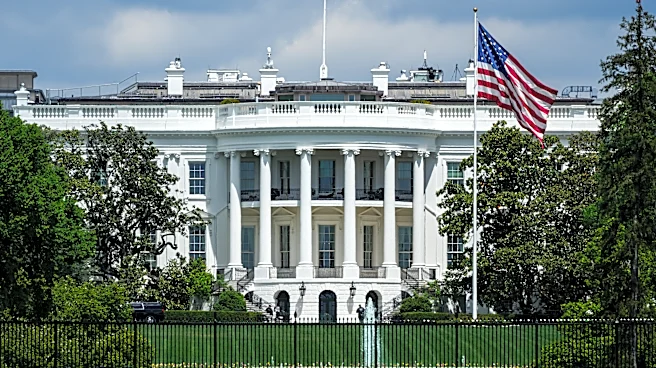
President Donald Trump recently signed an executive order aimed at reforming college sports, which was announced during an event at the White House honoring NCAA champions. The order seeks to limit athlete eligibility to five years, allow one transfer
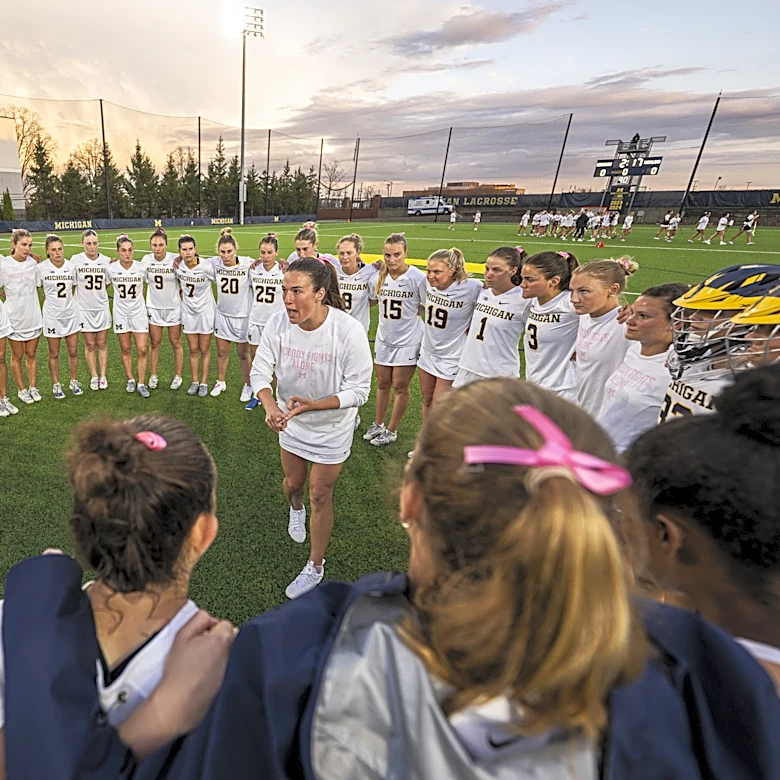
without penalty for undergraduates, and stop pay-for-play schemes. It also includes protections for women's and Olympic sports. However, aspects of the order may face legal challenges, prompting Trump and some stakeholders to call for federal legislation to codify these restrictions and grant the NCAA an antitrust exemption. The order comes amid ongoing debates over athletes' rights to earn money through name, image, and likeness deals, with some athletes challenging NCAA rules to extend their college careers.
Why It's Important?
The executive order represents a significant intervention in college sports, potentially affecting the financial dynamics of athletic departments and the rights of student-athletes. By limiting eligibility and transfers, the order could stabilize team rosters but may also restrict athletes' opportunities. The call for federal legislation and an antitrust exemption for the NCAA highlights the complexity of balancing athlete compensation with maintaining competitive fairness. This move could set a precedent for how college sports are regulated, impacting universities, athletes, and the broader sports industry.
What's Next?
The executive order's legal viability remains uncertain, and its implementation could face challenges in court. Stakeholders, including universities and athletes, may push for legislative solutions to address the issues raised by the order. The NCAA and lawmakers will likely engage in discussions to find a balanced approach that respects athletes' rights while ensuring the sustainability of college sports programs. The outcome of these discussions could lead to significant changes in how college sports are governed in the United States.