
What's Happening?
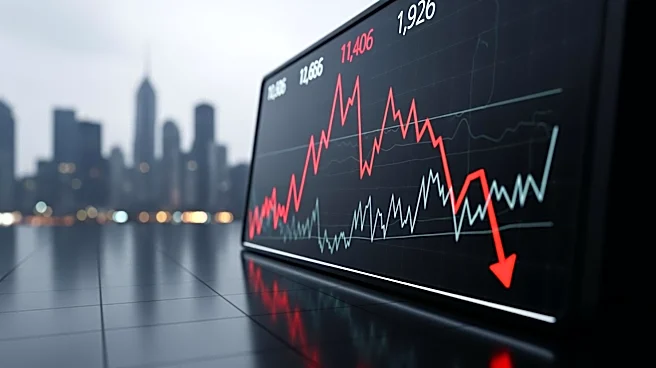
Nike's stock experienced a significant drop of over 15% following the company's announcement that its recovery would take longer than anticipated. The sportswear giant reported its fiscal third-quarter results, revealing that sales are expected to decline
through the end of the year. Finance Chief Matt Friend indicated that revenue is projected to fall by a low single-digit percentage in upcoming quarters, with North American growth being offset by a sharp downturn in China. Nike anticipates a sales decline of 2% to 4% in the current quarter, contrary to analyst expectations of a 1.9% growth. The company also warned of a 20% sales plunge in China, despite a slight benefit from foreign exchange rates. The market reacted negatively, with major financial institutions like Goldman Sachs, JPMorgan, and Bank of America downgrading Nike's stock. The company's challenges are not limited to China, as revenues in Europe, the Middle East, and Africa fell by 7% in the third quarter.
Why It's Important?
Nike's prolonged recovery and the significant downturn in the Chinese market highlight the challenges faced by global companies in navigating international markets. The decline in Nike's stock reflects investor concerns about the company's ability to regain its footing amid global economic uncertainties. The downgrades by major financial institutions underscore the skepticism surrounding Nike's recovery strategy. The company's struggles in China, a key growth market, could have broader implications for its global operations and financial performance. Additionally, the challenges in the EMEA region, marked by a highly promotional retail environment and increased markdowns, suggest potential difficulties in maintaining profitability. Nike's situation serves as a cautionary tale for other multinational corporations facing similar market dynamics.
What's Next?
Nike plans to return to providing full-year and long-term guidance at its next investor day in the autumn. The company is focusing on a city-led approach to launching new products in the EMEA region, aiming to improve its market presence and storytelling at points of sale. Nike's leadership changes in the EMEA region, including the appointment of César Garcia as vice president and general manager, indicate a strategic shift to address regional challenges. The company is also preparing for potential volatility due to rising oil prices and geopolitical tensions in the Middle East, which could impact input costs and consumer behavior. Nike's management remains committed to strengthening the company's foundation, although the recovery process is taking longer than expected.