






What's Happening?
Mercedes-Benz is leveraging its historical legacy to enhance brand credibility and customer loyalty through its Heritage division. Led by Marcus Breitschwerdt, the division focuses on preserving the brand's history while linking it to future success.
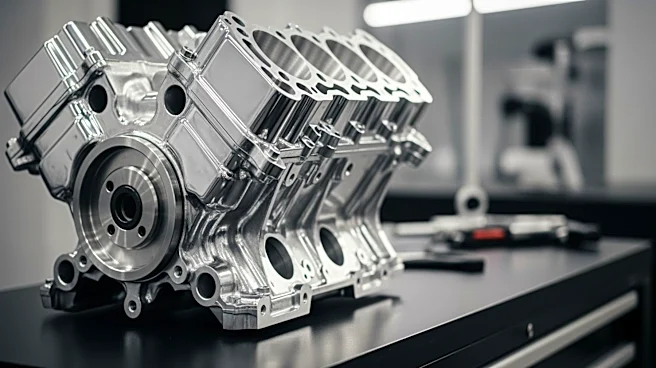
The Heritage division operates as a scalable, customer-facing business unit closely linked to sales, which strengthens the brand's positioning by reinforcing value, price credibility, and trust. The business model includes restoration, parts, trading, and premium experiences, with spare parts being a major revenue driver. Older parts are often remanufactured to Mercedes-Benz standards through supplier partnerships and sold directly to customers. Breitschwerdt's approach has earned him recognition as a disruptor in the automotive industry, highlighting the division's role in long-term commercial value creation.
Why It's Important?
The strategic focus on heritage by Mercedes-Benz underscores the importance of brand legacy in maintaining and enhancing market position. By integrating historical authenticity with modern business practices, the company not only preserves its rich history but also creates a unique selling proposition that differentiates it from competitors. This approach appeals to both existing customers and new enthusiasts, fostering brand loyalty and potentially increasing sales. The Heritage division's success in remanufacturing and selling parts also demonstrates a sustainable business model that can contribute to the company's financial health. This strategy could serve as a blueprint for other luxury brands seeking to capitalize on their historical assets.
What's Next?
Mercedes-Benz is expected to continue expanding its Heritage division, potentially increasing its presence in international markets. The division may explore new partnerships and collaborations to enhance its offerings and reach a broader audience. As the automotive industry evolves, the integration of heritage with innovation could become a key trend, influencing how brands position themselves in the market. Stakeholders, including customers and industry peers, will likely monitor Mercedes-Benz's progress in this area, assessing the impact of its heritage-focused strategy on overall brand performance.
Beyond the Headlines
The emphasis on heritage by Mercedes-Benz highlights a broader cultural trend where consumers increasingly value authenticity and historical significance. This shift could influence other industries, encouraging brands to revisit and leverage their own histories. Additionally, the success of the Heritage division may prompt discussions on the ethical implications of remanufacturing and sustainability in the luxury sector. As companies strive to balance tradition with innovation, the role of heritage in shaping brand identity and consumer perception will likely become more pronounced.