







What's Happening?
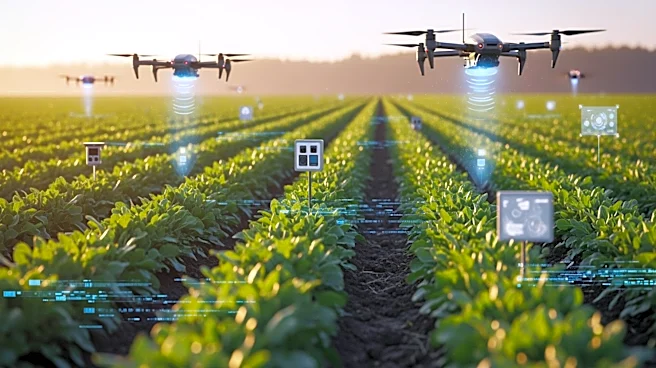
Artificial intelligence (AI) is being explored as a tool to address global food insecurity by linking personal health data with climate forecasts and food logistics. AI models can analyze complex datasets to improve food production, distribution, and sustainability.
These models can provide personalized diet plans based on health parameters and local food options, potentially reducing the carbon footprint. AI-driven platforms are already showing promise in personalized nutrition, with studies indicating significant health benefits. However, challenges such as data privacy, equity, and the need for transparent AI systems remain.
Why It's Important?
The integration of AI into food systems could significantly impact global food security and sustainability. By personalizing nutrition and optimizing supply chains, AI can help reduce food waste, improve health outcomes, and lower environmental impact. This approach aligns with the growing demand for sustainable and equitable food systems. However, the success of these initiatives depends on addressing privacy concerns, ensuring equitable access, and developing transparent AI models. The potential for AI to transform food systems highlights the need for interdisciplinary collaboration and robust governance frameworks.