








What's Happening?
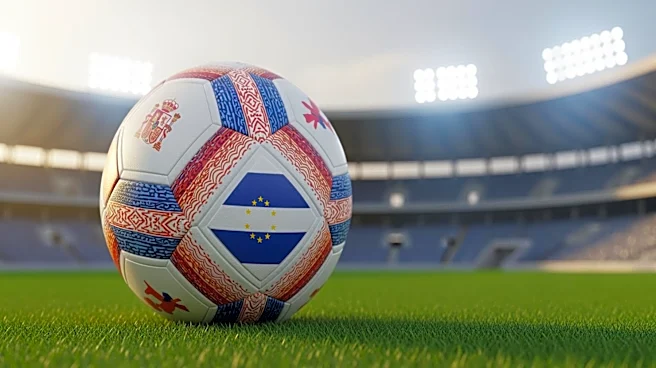
The FIFA World Cup 2026 sees Cape Verde making its debut against Spain in Atlanta, marking a significant moment for the African nation. Cape Verde qualified for the World Cup by surpassing Cameroon in their group, setting the stage for a challenging match
against the European champions. Spain, having struggled in recent World Cups, aims to capitalize on their success at EURO 2024, where they showcased impressive football and secured the title. Key players like Pedri, Rodri, and Fabián Ruiz are expected to play crucial roles in Spain's strategy. The match is set to take place at the Mercedes-Benz Stadium, with a kickoff time of 12 p.m. ET on June 15, 2026.
Why It's Important?
This match is pivotal for both teams for different reasons. For Cape Verde, participating in the World Cup is a historic achievement, providing an opportunity to showcase their talent on a global stage. A strong performance could elevate the nation's football profile and inspire future generations. For Spain, this match is a chance to reaffirm their status as a football powerhouse following their EURO 2024 victory. Success in this tournament could restore their reputation after underwhelming performances in previous World Cups. The outcome of this match could influence the dynamics of Group Stage play and set the tone for both teams' tournament trajectories.
What's Next?
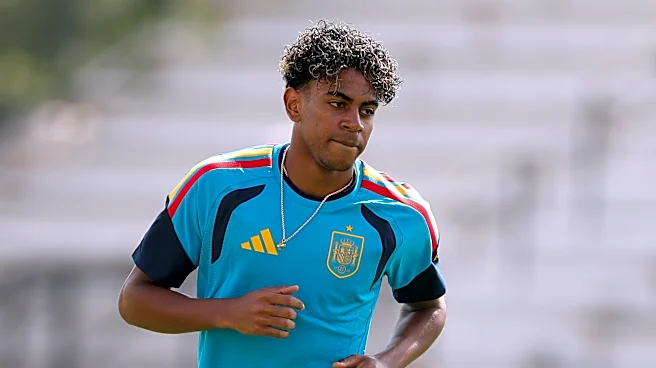
Following this match, both teams will continue their World Cup campaigns with additional group stage matches. Spain will need to manage player fitness, particularly for key wingers like Lamine Yamal and Nico Williams, who are recovering from injuries. Cape Verde will focus on maintaining their defensive organization and counter-attacking strategy to maximize their chances against other group opponents. The results of these matches will determine their progression to the knockout stages, with potential implications for future international competitions.
Beyond the Headlines
The participation of Cape Verde in the World Cup highlights the growing diversity and competitiveness in international football. It underscores the potential for smaller nations to make significant impacts on the world stage, challenging traditional powerhouses. This development could lead to increased investment in football infrastructure and youth development programs in Cape Verde and similar nations, fostering a more inclusive and competitive global football environment.