






What's Happening?
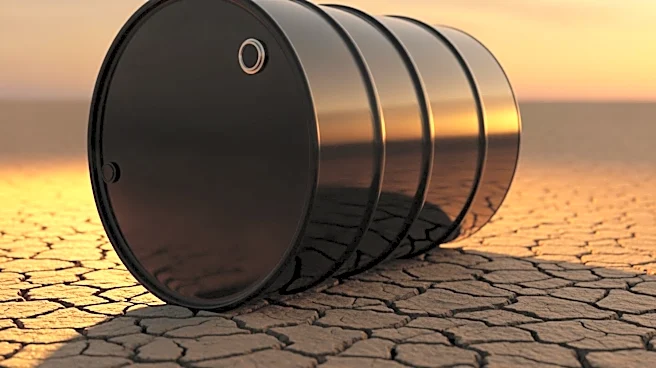
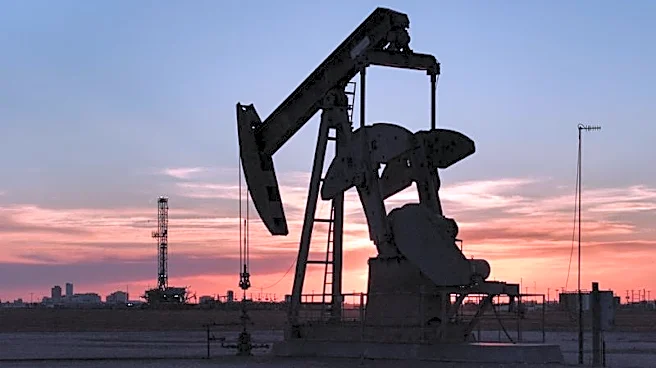
Kojo Orgle, an oil, gas, and NGL analyst at ICIS, has indicated that the global oil market may remain tight for several months even if the conflict involving Iran is resolved quickly. The ongoing disruptions in the Strait of Hormuz are causing significant
pressure on oil stockpiles, shipping patterns, and refinery supply chains. Orgle noted that while initial disruptions were mitigated by pre-existing tanker shipments, these supplies have now largely been exhausted, leading to a tightening market. Despite this, ICIS forecasts suggest a potential diplomatic resolution could be reached soon, driven by economic pressures on both the U.S. and Iran, as well as China's interest in stabilizing Persian Gulf oil flows. However, Orgle cautioned that if oil prices remain around $175 per barrel, it could result in economic damage and reduced demand in transportation and industrial sectors.
Why It's Important?
The prolonged tightness in the oil market has significant implications for global economies, particularly for the U.S., which could see shifts in its energy sourcing strategies. The potential for sustained high oil prices poses a risk of economic strain, affecting transportation and industrial sectors that rely heavily on oil. This situation could accelerate a shift towards alternative energy sources or more stable oil suppliers, such as those in the Atlantic basin. Additionally, the geopolitical tensions and supply security concerns within OPEC+ could further destabilize global oil markets, impacting pricing and availability. The economic strain on countries involved in the conflict, particularly the U.S. and Iran, underscores the urgency for a diplomatic resolution to prevent further economic fallout.
What's Next?
If a diplomatic resolution is reached, it could lead to a gradual normalization of oil markets, although the process may take several months as shipping and supply chains stabilize. Major stakeholders, including governments and oil companies, may need to reassess their sourcing strategies to mitigate future risks associated with geopolitical tensions. The U.S. might increase its reliance on domestic production or alternative suppliers to reduce dependency on the Persian Gulf. Additionally, there could be increased investment in renewable energy sources as a long-term strategy to buffer against oil market volatility.
Beyond the Headlines
The current situation highlights the vulnerability of global oil markets to geopolitical tensions and the strategic importance of diversifying energy sources. It also raises questions about the sustainability of relying heavily on oil from politically unstable regions. The potential economic damage from prolonged high oil prices could accelerate policy shifts towards energy independence and sustainability. Furthermore, the situation underscores the need for international cooperation in managing global energy resources and ensuring market stability.