
What's Happening?
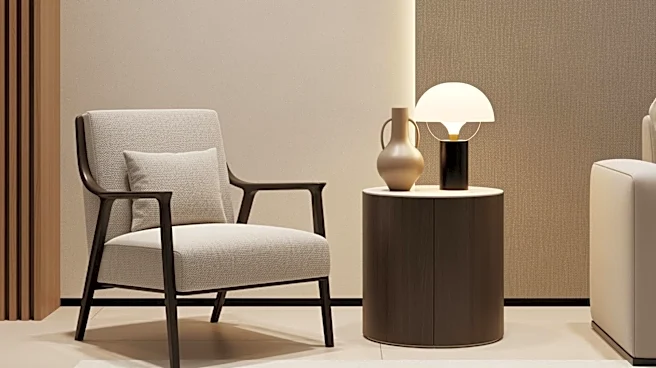
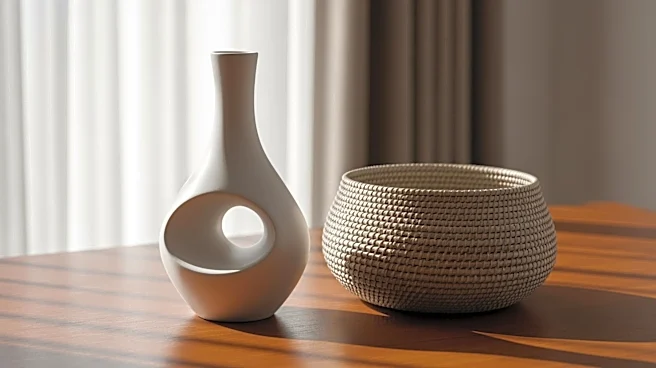
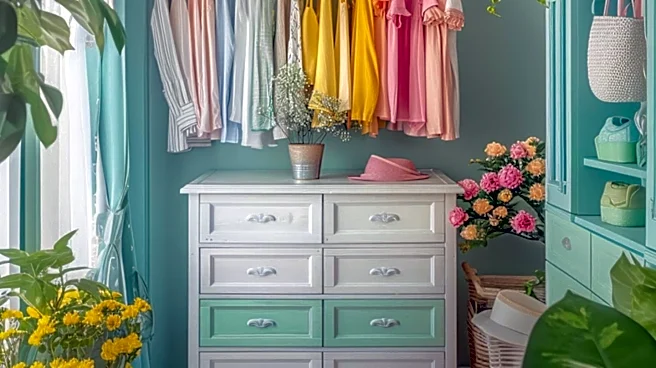
In a recent opinion piece, Robin Craig argues that a house filled with clutter can be a sign of a well-lived life, challenging the minimalist trend of bare walls and clean lines. Craig describes visiting
a friend's home, which is filled with mismatched mugs, ceramic dogs, and piles of books, as a calming experience compared to sterile, magazine-ready living rooms. The author suggests that clutter, when curated with love and personal stories, reflects character, taste, and life experiences. Craig distinguishes between healthy clutter and overconsumption or hoarding, emphasizing that meaningful collections should have personal significance and stories behind them.
Why It's Important?
This perspective on clutter challenges the prevailing minimalist trend, which often prioritizes optimization and streamlining of living spaces. By advocating for clutter as a reflection of personal history and individuality, the article encourages a cultural shift towards valuing personal expression over aesthetic uniformity. This viewpoint may resonate with those who feel pressured by societal norms to maintain a minimalist lifestyle, offering validation for those who find comfort and identity in their collections. It also highlights the importance of personal storytelling and the emotional connections people have with their belongings.
Beyond the Headlines
The discussion on clutter versus minimalism touches on broader cultural and psychological themes, such as the human need for attachment to objects and the role of material possessions in shaping identity. It raises questions about consumer culture and the balance between acquiring meaningful items and avoiding overconsumption. Additionally, the piece invites reflection on how personal spaces can serve as a canvas for self-expression and memory preservation, challenging the notion that a tidy home is inherently superior to one filled with cherished items.