





What's Happening?
The agricultural sector is witnessing a shift as startups develop alternatives to traditional chemical farming methods. Companies like BindBridge and Enko are pioneering new technologies to reduce reliance on chemical crop protection products. BindBridge is working
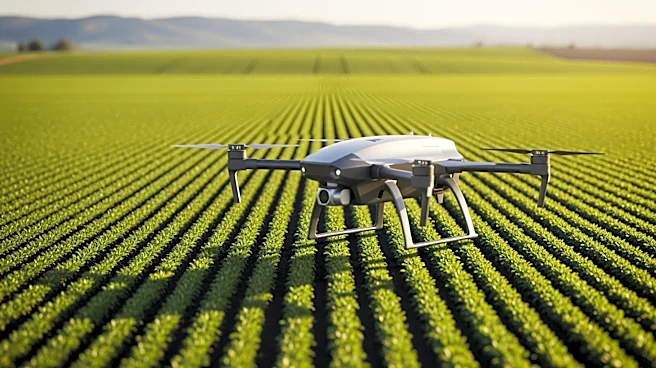
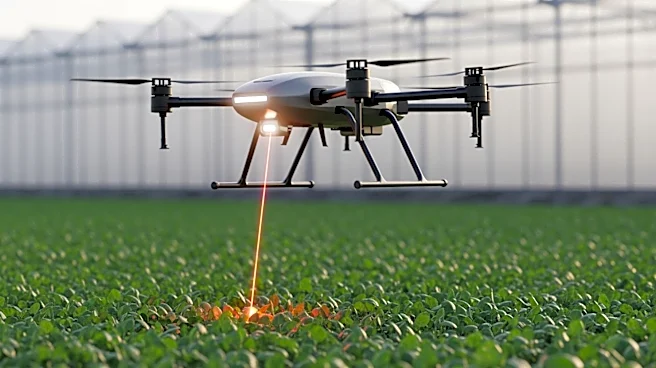
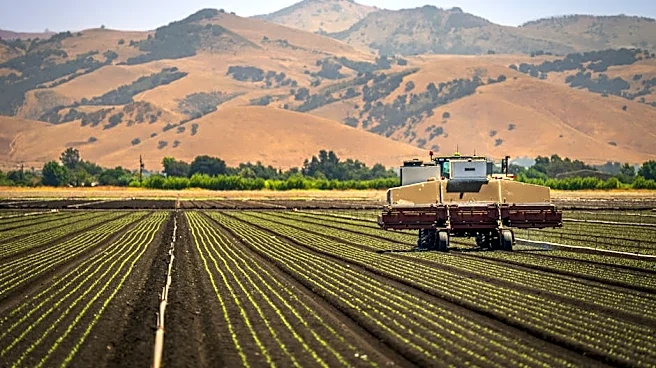
on molecular glues as an alternative to glyphosate, while Enko uses AI to discover new molecules for crop protection. Verdant Robotics is advancing precision agriculture with its Aim & Apply platform, which uses AI to target specific plants, reducing chemical use and costs. Inari is leveraging AI and genomics to design crops that require fewer inputs, focusing on staples like corn, wheat, and soybean. These innovations are driven by the need to address the environmental and health concerns associated with chemical farming, as well as the economic pressures on farmers.
Why It's Important?
The development of alternatives to chemical farming is crucial for several reasons. Environmental concerns, such as the impact of chemical runoff on ecosystems and the rise in cancer cases linked to certain herbicides, are driving the demand for safer agricultural practices. Economically, the high cost of chemical inputs and the slow development of new products are straining farmers' margins. By reducing reliance on chemicals, these startups offer a path to more sustainable and cost-effective farming. This shift could lead to significant changes in the agricultural industry, potentially reducing the environmental footprint of farming and improving public health outcomes. Additionally, the use of AI and precision technology in agriculture could enhance crop yields and resilience, contributing to food security.
What's Next?
As these technologies continue to develop, they may face challenges in scaling and adoption, particularly among smaller farms with limited resources. However, companies like Verdant Robotics are exploring financing options and partnerships to make their technologies more accessible. The success of these innovations could prompt larger agricultural companies to invest in similar technologies, accelerating the transition to sustainable farming practices. Regulatory bodies may also play a role in facilitating or hindering the adoption of these new methods, depending on how they address safety and efficacy concerns. The ongoing development and deployment of these technologies will likely influence future agricultural policies and industry standards.
Beyond the Headlines
The shift towards alternative farming methods has broader implications for the agricultural supply chain. As demand for chemical inputs decreases, companies in the chemical industry may need to adapt their business models. This transition also raises questions about the future of agricultural labor, as automation and precision technologies could change the nature of farm work. Culturally, the move towards sustainable farming practices reflects a growing consumer preference for environmentally friendly and health-conscious products. This trend could influence other sectors, such as food processing and retail, as they respond to changing consumer demands.