


What's Happening?
The 2026 Met Gala, scheduled for Monday, will focus on the theme 'Costume Art,' exploring fashion's complex relationship with the human body. This year's event is expected to feature A-list celebrities, artists, and athletes showcasing both emerging and established
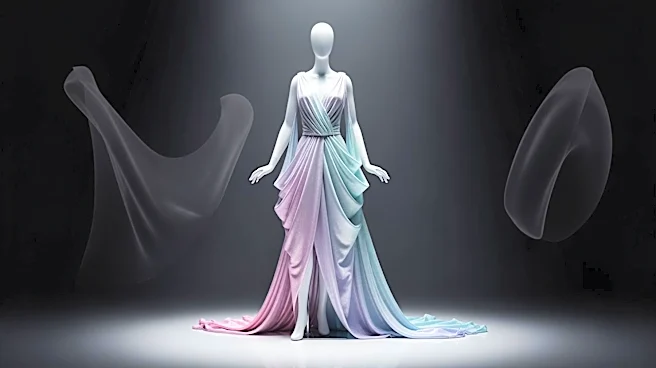
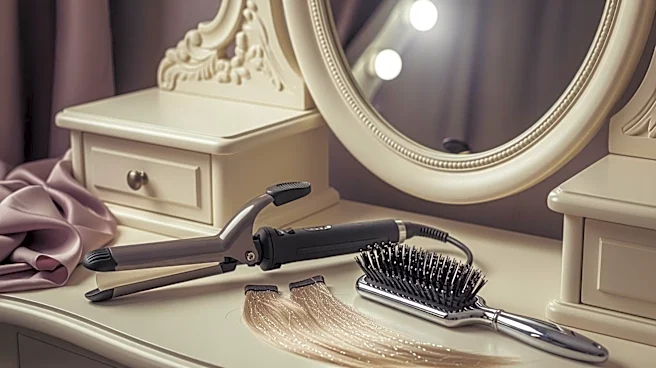
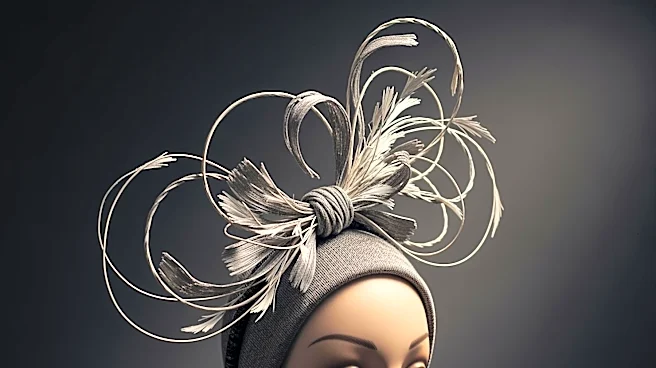
designers' couture. Industry insiders predict that beauty will play a significant role, with hairstylist Clayton Hawkins noting a shift towards conceptual looks where hair becomes part of the garment. Architectural updos and ultra-slick, lacquered finishes are anticipated, creating 'gallery level hair.' Makeup trends are expected to draw from art history, with painterly skin finishes and bold, asymmetric liners. The event will also see a focus on maximalist lashes and intricate nail art, reflecting the craftsmanship of haute couture gowns.
Why It's Important?
The Met Gala is a significant cultural event that influences fashion and beauty trends globally. This year's focus on the relationship between fashion and the human body highlights the evolving nature of fashion as an art form. The predicted beauty trends emphasize creativity and innovation, potentially setting new standards in the industry. The event serves as a platform for designers and artists to showcase their work, impacting fashion markets and consumer preferences. The emphasis on conceptual beauty could inspire new product lines and marketing strategies within the beauty industry, affecting economic stakeholders and shaping future trends.
What's Next?
As the Met Gala approaches, designers and beauty professionals are likely finalizing their preparations to align with the event's theme. The outcomes of the gala could influence upcoming fashion weeks and red carpet events, as trends seen at the Met Gala often trickle down into mainstream fashion. Industry reactions and consumer feedback will likely shape future fashion and beauty innovations. The event's success in highlighting fashion as art may encourage further exploration of similar themes in future exhibitions and galas.
Beyond the Headlines
The Met Gala's focus on fashion's relationship with the human body raises questions about the role of fashion in cultural and social contexts. The event's emphasis on conceptual beauty challenges traditional notions of beauty, potentially influencing societal standards and perceptions. This shift could lead to broader acceptance of diverse beauty expressions and encourage more inclusive representation in fashion and media. The gala's impact extends beyond aesthetics, prompting discussions on the intersection of fashion, art, and identity.