



What's Happening?
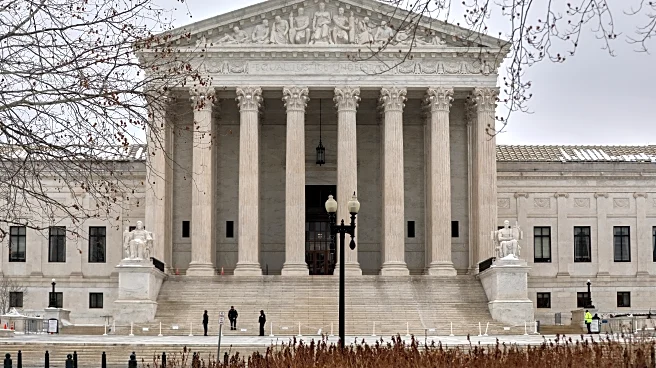
The U.S. Supreme Court has decided not to review a lower court's decision, allowing a class action lawsuit to proceed against Takeda Pharmaceutical Co. and Eli Lilly & Co. The lawsuit accuses the companies of failing to disclose the cancer risks associated
with their diabetes drug, Actos. The case involves tens of thousands of insurers and third-party payers who covered the cost of Actos prescriptions. The plaintiffs argue that the companies' omissions in marketing materials led to additional prescriptions and higher prices. Takeda had previously agreed to a $2.37 billion settlement in 2015 to resolve similar lawsuits. The companies sought to limit class actions, arguing that the appeals court improperly approved the suit without a method to exclude class members who were not harmed.
Why It's Important?
This decision by the Supreme Court could have significant implications for pharmaceutical companies and class action lawsuits. By allowing the case to proceed, the court has set a precedent that could expose manufacturers to substantial legal and financial risks if they fail to disclose potential risks associated with their products. The ruling may encourage more class action suits against companies accused of similar omissions, potentially leading to increased scrutiny and regulatory pressure on the pharmaceutical industry. Insurers and third-party payers stand to gain from potential settlements, while pharmaceutical companies may face increased legal costs and reputational damage.