



What's Happening?
The global energy landscape is experiencing a significant shift as major oil companies reduce investments in low-carbon projects, marking the first decline in transition-focused spending since 2017. This change is occurring amidst geopolitical tensions,
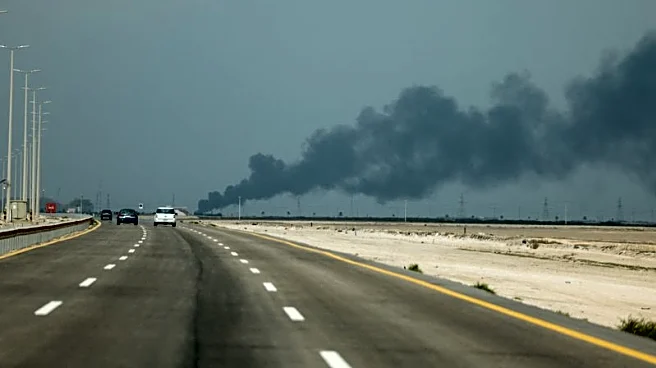
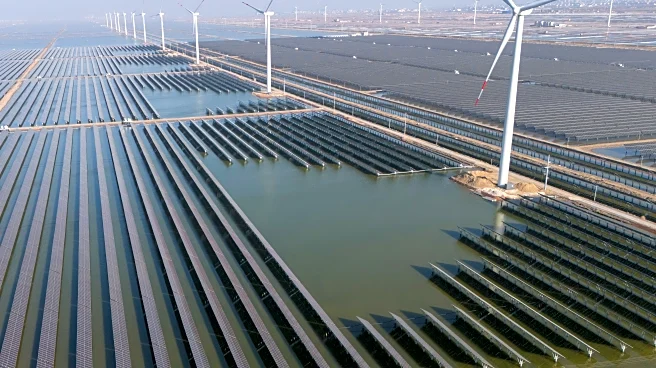
particularly related to the Iran conflict, which have highlighted the world's vulnerability to fossil fuel supply disruptions. In the United States, a potential settlement nearing $1 billion is being considered for a delayed offshore wind project involving TotalEnergies, underscoring the friction between policy ambitions and project execution. Regulatory uncertainties, rising costs, and permitting delays are further complicating large-scale renewable developments. Meanwhile, disruptions in the Middle East have driven oil prices higher, emphasizing the concentrated nature of global supply and the need to reduce reliance on imported fossil fuels.
Why It's Important?
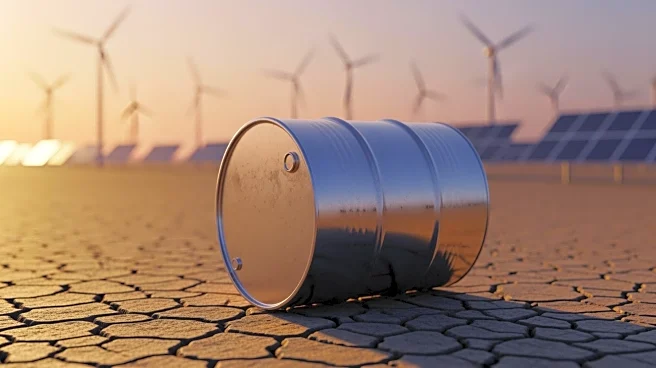
This development is crucial as it reflects a broader recalibration in energy strategies, where short-term market conditions are favoring increased oil and gas production despite long-term goals for decarbonization. The shift in capital back to oil highlights the tension between corporate strategies focused on immediate returns and government policies aimed at reducing carbon emissions. This paradox is reshaping energy transition timelines, which are increasingly influenced by geopolitical and economic factors rather than solely by climate policies. The situation presents challenges for policymakers who must balance energy security, affordability, and environmental goals, while energy companies prioritize financial returns and capital discipline.
What's Next?
The ongoing geopolitical tensions and market dynamics suggest that energy companies will continue to focus on oil and gas projects with clear near-term cash flows. However, governments may face increased pressure to accelerate investments in alternative energy systems to mitigate dependence on fossil fuels. The outcome of the potential settlement for the offshore wind project in the U.S. could set a precedent for future renewable energy initiatives. Stakeholders, including policymakers, investors, and energy companies, will need to navigate these complex dynamics to achieve a sustainable energy transition.
Beyond the Headlines
The current situation underscores the need for a more resilient and diversified energy system that can withstand geopolitical shocks. It also highlights the importance of clear and consistent policy frameworks to support the transition to low-carbon energy sources. The interplay between short-term economic incentives and long-term environmental goals will likely continue to shape the energy landscape, requiring innovative solutions and collaborative efforts from all stakeholders involved.