




What's Happening?
YouTube has launched a new avatar clone tool that allows creators to generate digital versions of themselves for use in YouTube Shorts. This tool enables creators to produce videos featuring their likeness without physically appearing on camera. According
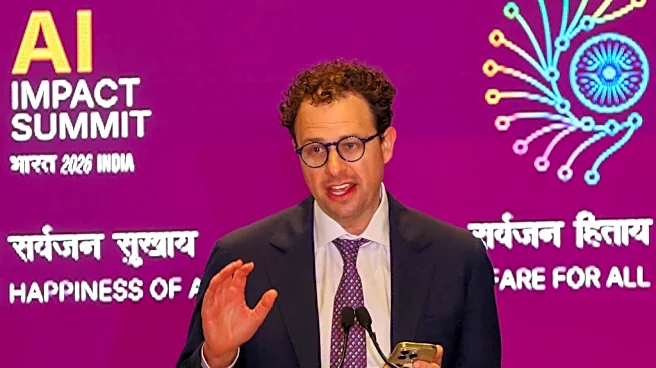
to Google, the avatars are designed to look and sound like the user, providing a secure way to create content. The tool allows users to delete their avatars at any time, and all videos created with the avatars are labeled as AI-generated. Despite the introduction of this tool, questions remain about the safeguards in place to protect users' likenesses, as Google has not provided detailed information on this aspect. YouTube CEO Neal Mohan has emphasized that AI will be used as a tool for expression rather than a replacement for creators.
Why It's Important?
The introduction of AI avatars on YouTube represents a significant shift in content creation, potentially altering how creators engage with their audiences. This tool could democratize video production by allowing creators to produce content without the need for expensive equipment or physical presence, thus lowering barriers to entry. However, it also raises concerns about privacy and the ethical use of AI in media. The labeling of AI-generated content is crucial to maintain transparency and trust among viewers. As AI continues to integrate into social media platforms, it could redefine the landscape of digital content creation, impacting creators, advertisers, and consumers alike.
What's Next?
As YouTube rolls out this AI avatar tool, it is likely to face scrutiny from privacy advocates and users concerned about the security of their digital likenesses. The platform may need to implement additional safeguards and transparency measures to address these concerns. Furthermore, the success of this tool could lead to similar innovations across other social media platforms, prompting a broader industry shift towards AI-driven content creation. Stakeholders, including creators and advertisers, will need to adapt to these changes, potentially influencing content strategies and marketing approaches.
Beyond the Headlines
The use of AI avatars in content creation could have long-term implications for the authenticity and originality of digital media. As AI-generated content becomes more prevalent, it may challenge traditional notions of creativity and authorship. This development also raises ethical questions about the manipulation of digital identities and the potential for misuse. The industry will need to navigate these complexities to ensure that AI tools are used responsibly and ethically, balancing innovation with the protection of individual rights.