


What's Happening?
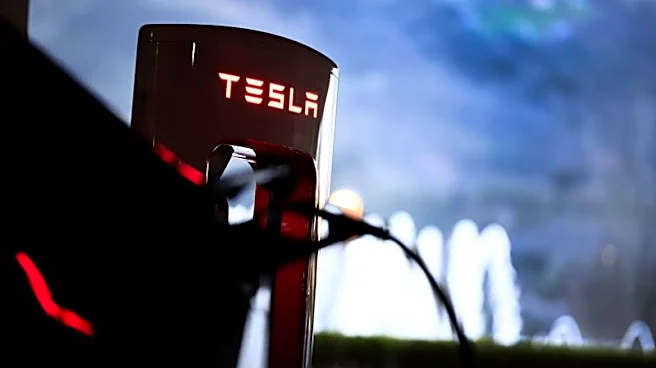
Tesla is seeking approval for its Full Self-Driving (FSD) technology across the European Union, with a key meeting taking place in Brussels. The Dutch road authority RDW has issued a provisional approval for FSD in the Netherlands after extensive testing.
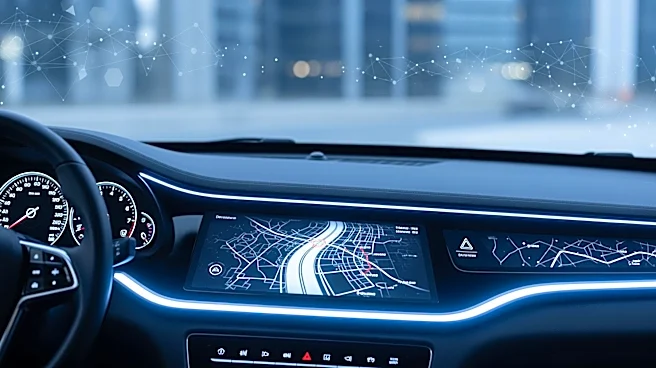
Tesla aims to have the technology approved as a new category under EU motor vehicle laws, bypassing traditional type-approval processes. The approval process involves a qualified majority vote by the EU's Technical Committee on Motor Vehicles, which requires support from 15 of the 27 member states. The technology, while not fully autonomous, allows vehicles to steer and accelerate under human supervision.
Why It's Important?
The approval of Tesla's FSD technology in the EU could significantly impact the automotive industry, setting a precedent for the integration of advanced driver-assistance systems. It highlights the regulatory challenges and complexities involved in introducing new technologies in a diverse market like the EU. Successful approval could enhance Tesla's market position and influence future regulatory frameworks for autonomous driving technologies. Conversely, failure to secure approval could delay the adoption of such technologies and impact Tesla's strategic plans in Europe. The decision also has implications for consumer safety and the legal landscape surrounding autonomous vehicles.
What's Next?
The next steps involve further discussions and information sharing among EU member states, with a potential vote on the technology's approval expected later in the year. If approved, the European Commission would begin amending motor vehicle laws to accommodate the new technology. In the meantime, individual member states may choose to provisionally approve the technology. The outcome of the approval process will be closely monitored by industry stakeholders, as it could influence the pace of innovation and regulatory approaches to autonomous driving technologies in Europe and beyond.