

What's Happening?
Global markets, including those in the U.S., experienced significant declines as geopolitical tensions in the Middle East escalated. The conflict, involving Iran's continued drone and missile strikes against Israel and the U.S., has raised fears of an oil
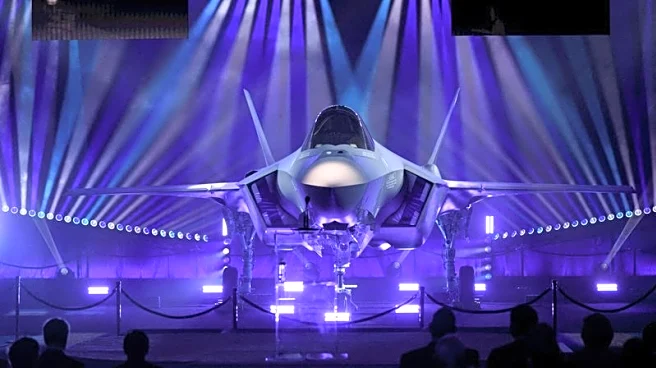
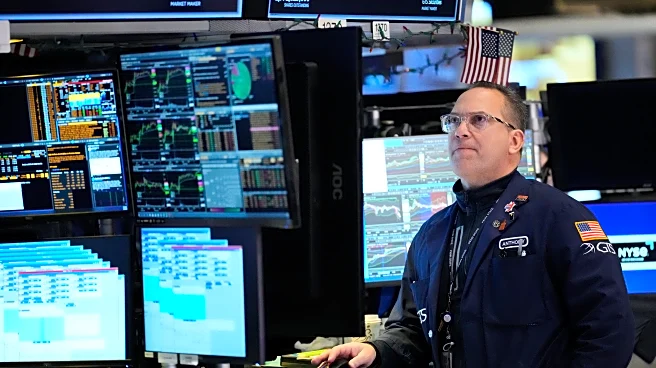
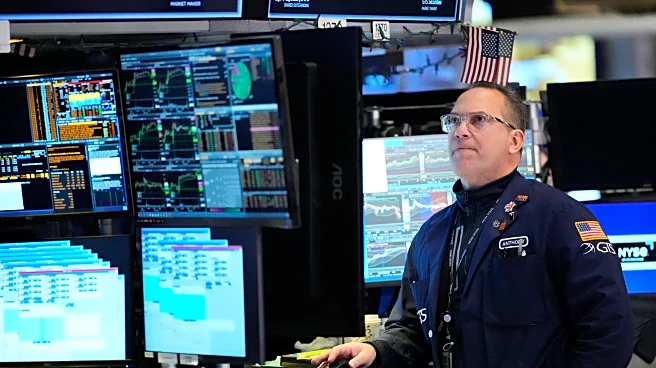
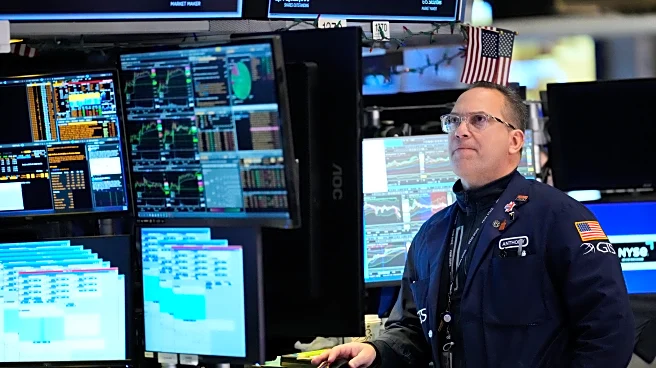
shock and renewed inflation risks. This situation is complicating the efforts of global central banks to stabilize growth. In the U.S., the S&P 500 fell by approximately 0.94%, the Dow Jones Industrial Average dropped 0.83%, and the Nasdaq Composite decreased by 1.02%. The Dow, at one point, plummeted over 1,200 points. Meanwhile, South Korea's Kospi index recorded its worst day on record, plunging 12%. In response to the conflict, U.S. defense contractors, including Lockheed Martin and RTX, are set to meet with White House officials to discuss accelerating weapons production.
Why It's Important?
The market downturn highlights the vulnerability of global economies to geopolitical tensions, particularly in the Middle East, which is a critical region for oil production. The potential for an oil shock could exacerbate inflationary pressures, complicating the monetary policy decisions of central banks worldwide. For the U.S., the decline in major stock indices reflects investor anxiety over the economic implications of the conflict. Additionally, the meeting between U.S. defense contractors and the White House underscores the strategic importance of maintaining military readiness amid escalating tensions. The situation could lead to increased defense spending, impacting budget allocations and potentially influencing broader economic policies.
What's Next?
As the conflict in the Middle East continues, markets are likely to remain volatile. Investors will be closely monitoring developments in the region, particularly any changes in oil supply that could further impact global markets. Central banks may need to adjust their strategies to address the dual challenges of inflation and growth. The outcome of the meeting between U.S. defense contractors and the White House could lead to accelerated production of military equipment, affecting the defense sector and related industries. Policymakers will need to balance military needs with economic stability, potentially leading to shifts in fiscal and monetary policies.