



What's Happening?
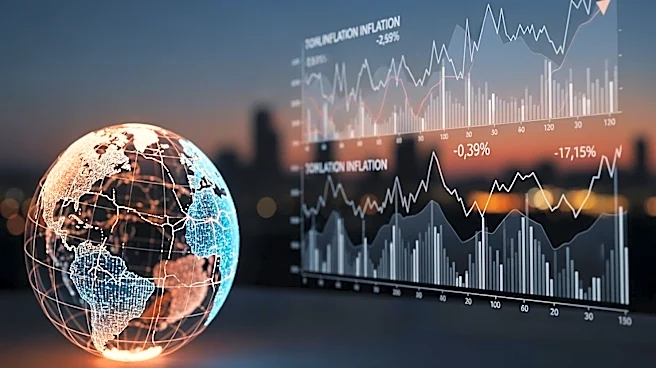
Inflation in the United States remains a significant concern, with recent spikes in energy prices contributing to the issue. The ongoing conflict involving Iran has disrupted global oil supplies, leading to increased fuel costs and a rise in inflation
rates. Despite a cooling off in inflation over the past few years, it has not returned to pre-pandemic levels, and Americans continue to struggle with higher prices. The cost of living remains a top concern for voters, as the economic impact varies across different income groups. Low- and middle-income households are particularly affected, with a significant portion of their income spent on essentials like food and fuel.
Why It's Important?
The persistent inflation poses challenges for the U.S. economy, affecting consumer spending and financial stability. As energy prices rise, the cost of living increases, putting pressure on household budgets, especially for those with lower incomes. The situation is exacerbated by the lack of pandemic-era financial cushions, such as stimulus payments and paused student loan repayments. The economic resilience of the U.S. is tested as it navigates through multiple crises, including the pandemic and geopolitical tensions. The inflationary pressures could lead to increased borrowing and financial strain for many Americans, impacting overall economic growth.
What's Next?
The duration of the conflict and the disruption to oil supplies will play a crucial role in determining the future trajectory of inflation. Even if a ceasefire is reached and oil supplies stabilize, consumer prices are expected to remain high for months due to the delayed effects of energy price increases. Stakeholders, including policymakers and economists, will need to monitor the situation closely and consider measures to mitigate the impact on vulnerable populations. The government may need to explore options to support households facing financial difficulties due to rising costs.
Beyond the Headlines
The inflation issue highlights broader economic vulnerabilities, including the reliance on global oil supplies and the need for sustainable energy solutions. It also underscores the importance of social safety nets and economic policies that can adapt to changing circumstances. The situation may prompt discussions on energy independence and the transition to renewable energy sources to reduce susceptibility to geopolitical conflicts. Additionally, the economic strain could influence political discourse and policy decisions, as leaders seek to address the concerns of constituents affected by inflation.