






What's Happening?
At the ASCO 2026 conference, David Spetzler, president of Caris Life Sciences, highlighted the transformative role of artificial intelligence in gene-based cancer detection. Caris Life Sciences, a leader in molecular profiling, is leveraging AI to improve
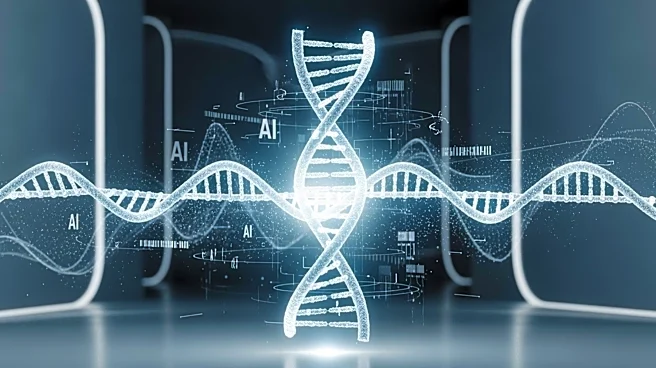
the accuracy and accessibility of genomic data in cancer diagnostics. Spetzler emphasized the importance of early detection and the potential of whole genome sequencing to extend beyond traditional blood testing methods. The integration of AI in diagnostics is poised to enhance the precision of cancer detection, offering significant advancements in both research and clinical settings. This development is part of a broader trend towards personalized medicine, where treatments are tailored to the genetic profile of individual patients.
Why It's Important?
The use of AI in cancer diagnostics represents a significant leap forward in the fight against cancer. By improving the accuracy of gene-based detection, AI can lead to earlier and more precise diagnoses, which are critical for effective treatment. This advancement has the potential to reduce healthcare costs by minimizing unnecessary treatments and improving patient outcomes. The broader application of whole genome sequencing could revolutionize not only cancer care but also the diagnosis of other genetic diseases. As AI continues to evolve, it will play an increasingly vital role in the healthcare industry, driving innovation and improving patient care.
What's Next?
Caris Life Sciences plans to continue expanding its use of AI in diagnostics, with a focus on refining its technologies and exploring new applications. The company aims to collaborate with healthcare providers to integrate these advancements into clinical practice. As the technology matures, regulatory bodies may need to establish new guidelines to ensure the safe and effective use of AI in medical diagnostics. The success of these initiatives will depend on ongoing research and development, as well as the ability to navigate the complex regulatory landscape. The potential for AI to transform healthcare is vast, and its impact will likely be felt across multiple areas of medicine.