

What's Happening?
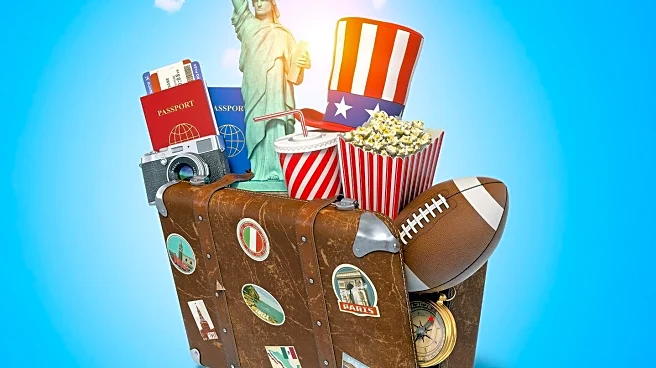
The Points Guy has released its 2026 Travel Trends Report, which reveals significant shifts in American travel preferences due to economic uncertainties and evolving government policies. The report indicates that Americans are increasingly opting for less crowded and more unique destinations, leveraging travel rewards to manage costs. Economic fluctuations, including a depreciated U.S. dollar, have impacted international tourism, prompting travelers to explore unconventional destinations during off-peak seasons. U.S. airlines are expanding routes to lesser-known locations, and hotel brands are partnering with boutique hotels to offer distinctive accommodations. The report also notes a widening gap between luxury and budget travel experiences,
with credit card companies and airlines enhancing luxury offerings while providing opportunities for budget-conscious travelers to enjoy premium experiences through travel rewards.
Why It's Important?
This shift in travel preferences reflects broader economic and policy challenges facing American travelers. The depreciation of the U.S. dollar affects purchasing power abroad, influencing travel decisions. The expansion of airline routes to less popular destinations and partnerships with boutique hotels not only help travelers save money but also distribute tourist traffic more evenly, potentially benefiting local economies. The growing divide between luxury and budget travel experiences highlights the importance of strategic planning and the effective use of travel rewards. As travel costs rise, travelers must navigate complex credit card rewards and loyalty programs to maximize value. The integration of artificial intelligence in travel planning further underscores the evolving landscape, offering efficiency but also necessitating a balance with human interaction for personalized experiences.
What's Next?
Travelers are likely to continue adapting to economic and policy changes by seeking out unique destinations and leveraging travel rewards. Airlines and hotels may further expand their offerings to cater to these evolving preferences. The role of artificial intelligence in travel planning is expected to grow, potentially reshaping how travelers plan and manage their trips. However, the importance of human interaction in ensuring satisfying travel experiences will remain crucial. As the travel industry navigates these changes, stakeholders will need to focus on flexibility, strategic planning, and enhancing loyalty programs to capture consumer spending and provide value in a challenging economic environment.