





What's Happening?
Wave energy, a renewable energy source, is facing significant challenges related to maintenance and economic viability. CorPower Ocean, a company involved in wave energy, has developed a wave-energy converter that has been deployed offshore in Portugal.
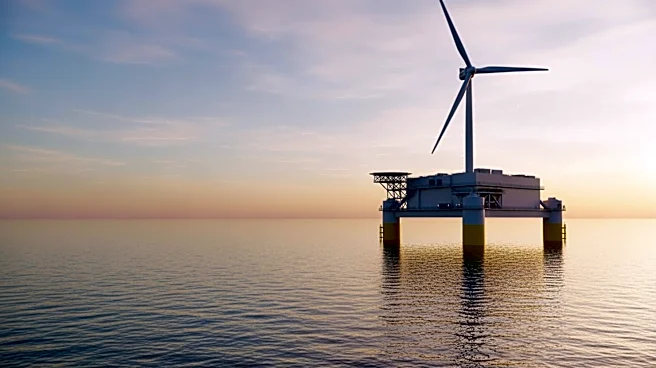
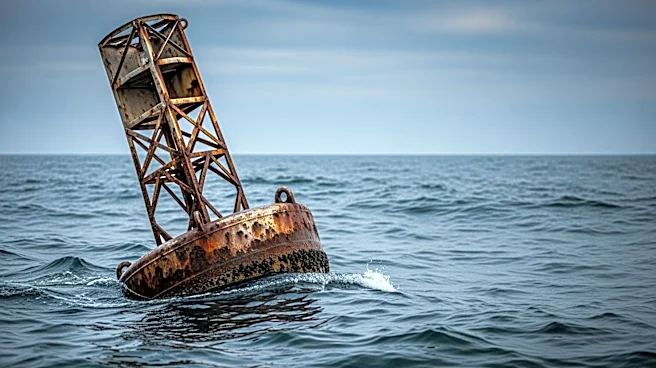
Despite its engineering advancements, the company faces hurdles in overcoming maintenance issues such as corrosion, biofouling, and mechanical wear. The device, which converts wave motion into electricity, must withstand harsh marine conditions, including saltwater and storms. The economic feasibility of wave energy is questioned due to the high maintenance costs and the need for frequent mechanical interventions. The technology is not yet considered a broad energy-transition market but may find niche applications where it can share infrastructure with offshore wind or in areas with specific local energy needs.
Why It's Important?
The development of wave energy is crucial for diversifying renewable energy sources and reducing reliance on fossil fuels. However, the high maintenance costs and technical challenges pose significant barriers to its widespread adoption. The economic viability of wave energy depends on reducing maintenance costs and increasing the reliability of the technology. If successful, wave energy could complement other renewable sources like wind and solar, especially in regions where these are less viable. The ability to harness wave energy efficiently could lead to significant advancements in renewable energy technology and contribute to global efforts to combat climate change.
What's Next?
For wave energy to become a viable part of the renewable energy landscape, companies like CorPower must demonstrate the long-term reliability and cost-effectiveness of their technology. This involves extensive testing and data collection to prove that the devices can operate efficiently with minimal maintenance. Future developments may focus on improving the durability of materials and components used in wave-energy converters. Additionally, collaboration with offshore wind projects could provide shared infrastructure and reduce costs. The industry will need to address these challenges to attract investment and achieve commercial scalability.