






What's Happening?
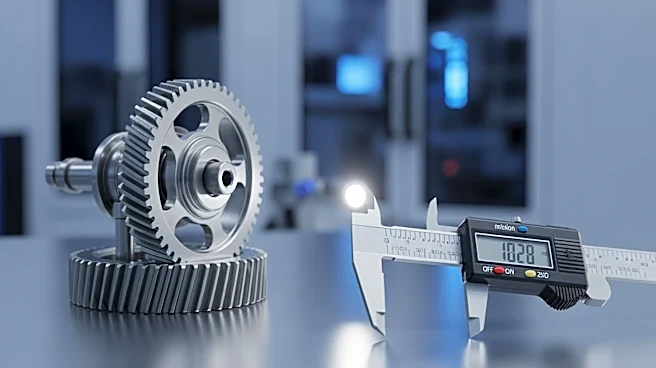
Robotics Original Equipment Manufacturers (OEMs) are increasingly focusing on the qualification of Chinese CNC suppliers to ensure precision in factory automation parts. As robotics hardware scales from prototype to production, the need for CNC suppliers capable
of maintaining tight dimensional tolerances becomes critical. In 2026, OEMs are directing more qualification work towards Chinese manufacturers due to their machining capacity, material range, and cost-effectiveness. The qualification process involves evaluating suppliers' equipment capabilities, certification status, and their ability to meet specific design requirements. This structured approach aims to mitigate risks associated with non-conforming parts and ensure reliable production volumes.
Why It's Important?
The qualification of CNC suppliers is crucial for robotics OEMs to maintain production schedules and meet customer commitments. Precision in robotics hardware is essential, as even minor errors can lead to significant operational failures. By establishing a robust supplier qualification framework, OEMs can reduce the risk of supply chain disruptions and ensure consistent quality in their products. This approach not only enhances operational efficiency but also provides a competitive edge in the robotics industry. The focus on Chinese suppliers reflects the global shift towards leveraging cost-effective manufacturing solutions while maintaining high standards of quality and reliability.
What's Next?
OEMs are expected to continue refining their supplier qualification processes, potentially expanding their network of verified suppliers to include more international options. This diversification strategy aims to reduce concentration risk and ensure supply chain resilience. As the robotics industry grows, OEMs may also invest in advanced technologies to further streamline the qualification process, such as automated inspection systems and AI-driven analytics. These developments could lead to faster and more accurate supplier assessments, ultimately supporting the industry's expansion and innovation.