
What's Happening?
Natalie Morales, a former NBC news anchor and current CBS correspondent, has expressed concerns about Alzheimer's disease, influenced by her personal experiences. At 54, Morales is vigilant about memory
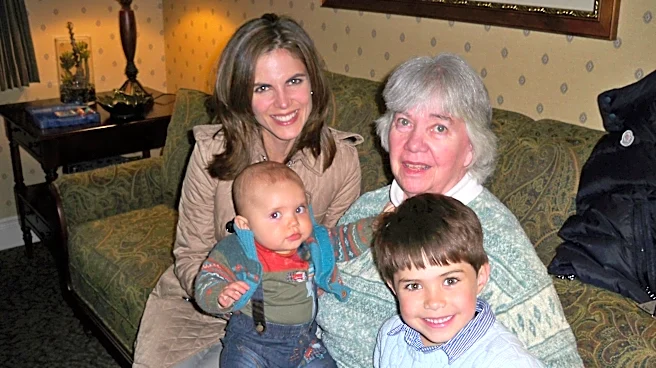
lapses, a concern heightened by her mother-in-law Kay Rhodes's battle with Alzheimer's, which began at a similar age. Morales is now involved in a campaign with Kisunla, an FDA-approved treatment for early symptomatic Alzheimer's, aiming to increase awareness about early-onset Alzheimer's symptoms. She emphasizes the importance of discussing memory concerns with healthcare professionals, both for oneself and loved ones. Morales's involvement in this campaign is driven by her family's experience with her mother-in-law's illness, which included memory issues, anxiety, and paranoia. Morales and her husband were long-distance caregivers, relying on community support, especially during the COVID-19 pandemic, to manage care for her in-laws.
Why It's Important?
The involvement of a public figure like Natalie Morales in Alzheimer's awareness campaigns highlights the growing concern over this disease, which affects over 7 million Americans. Her advocacy can help destigmatize discussions around memory loss and encourage early diagnosis, potentially improving outcomes for those affected. The campaign also sheds light on the challenges faced by caregivers, particularly long-distance ones, and the emotional, physical, and financial toll caregiving can take. By sharing her personal story, Morales brings attention to the need for better support systems for caregivers and the importance of community involvement in caregiving. Her efforts may inspire others to seek medical advice early, potentially leading to better management of the disease.
What's Next?
Morales's campaign with Kisunla is likely to continue raising awareness about Alzheimer's, encouraging more people to recognize early symptoms and seek medical advice. This could lead to increased demand for diagnostic services and treatments, potentially influencing healthcare policies and funding for Alzheimer's research. The campaign may also prompt discussions about the role of caregivers and the need for supportive resources, possibly leading to policy changes that address these needs. As awareness grows, there may be a push for more comprehensive care options and support networks for both patients and caregivers.