



What's Happening?
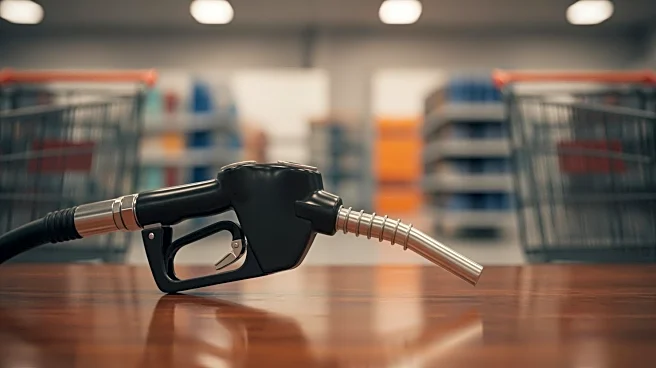
The US-Israeli conflict with Iran has led to a significant increase in gas prices, affecting consumer sentiment and retail spending. A gallon of regular gasoline has risen to $3.91, a 33% increase over the past month. The University of Michigan's consumer sentiment index
has dropped by 2% since the conflict began, reflecting concerns over rising costs. The increase in fuel prices acts as a 'tax' on consumers, reducing discretionary spending and impacting sectors like fashion retail. Analysts warn that continued high prices could lead to a downturn in consumer and corporate sentiment, affecting economic growth.
Why It's Important?
The surge in gas prices has immediate and widespread implications for the US economy. Higher fuel costs reduce disposable income, leading to decreased consumer spending on non-essential goods. This shift in spending behavior can negatively impact retailers, particularly those in the discretionary sector. The situation also highlights the interconnectedness of global events and domestic economic conditions, as geopolitical tensions can quickly translate into economic challenges. The impact on consumer sentiment and spending could have long-term effects on economic growth and retail performance.
What's Next?
If gas prices remain high, retailers may need to adjust their strategies to accommodate changing consumer behavior. This could involve focusing on value-oriented products or enhancing online shopping experiences to attract cost-conscious consumers. The situation may also prompt discussions on energy policy and the need for alternative energy sources to reduce reliance on volatile oil markets. As the conflict continues, businesses and policymakers will need to monitor the situation closely and adapt to the evolving economic landscape.