






What's Happening?
The article discusses the phenomenon of overtourism, particularly in Europe, where popular destinations like Venice and Dubrovnik are struggling to accommodate the influx of tourists during the summer months. The piece highlights how Americans, among
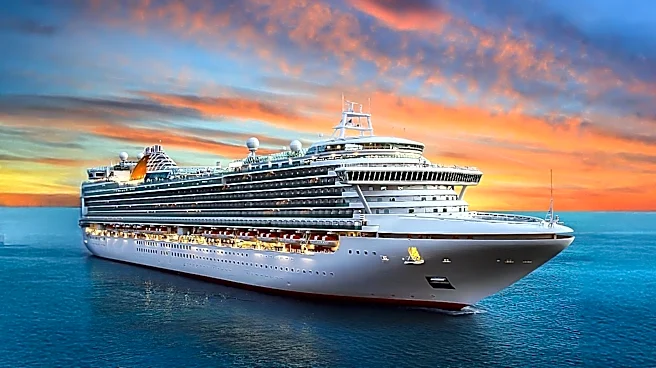
other nationalities, contribute to this trend as they seek to explore iconic sites such as the Mona Lisa and the Acropolis. The author suggests traveling during the 'shoulder season'—from late spring to early summer and early fall—to avoid the crowds and enjoy a more pleasant experience. The narrative also touches on the personal experiences of the author and his wife, who have embraced cruising as a way to explore new destinations without the hassle of traditional travel.
Why It's Important?
The issue of overtourism is significant as it affects both the quality of life for residents in popular tourist destinations and the experience of travelers. As more people can afford to travel, the strain on infrastructure and local resources becomes more pronounced, leading to potential environmental and social challenges. For the U.S. travel industry, understanding these dynamics is crucial for advising clients and developing sustainable tourism strategies. The emphasis on traveling during less busy times could help distribute tourist traffic more evenly throughout the year, benefiting both travelers and host communities.
What's Next?
Destinations affected by overtourism may continue to implement measures to manage tourist numbers, such as limiting cruise ship access or introducing tourist taxes. Travelers might increasingly seek alternative destinations or travel times to avoid crowds, potentially leading to a shift in travel patterns. The travel industry may also focus on promoting lesser-known destinations and experiences to alleviate pressure on popular sites.
Beyond the Headlines
The rise of overtourism raises ethical questions about the responsibility of travelers and the tourism industry in preserving cultural heritage and natural environments. It also highlights the need for global cooperation in managing tourism sustainably, ensuring that economic benefits do not come at the expense of local communities and ecosystems.