






What's Happening?
SoftBank has announced its entry into the sovereign AI market with the launch of a new GPU cloud infrastructure, set to be deployed in October. This infrastructure is designed to support AI workloads while ensuring secure data operations within Japan.
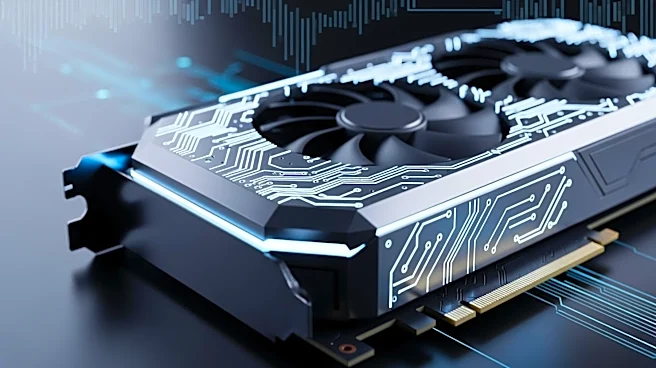
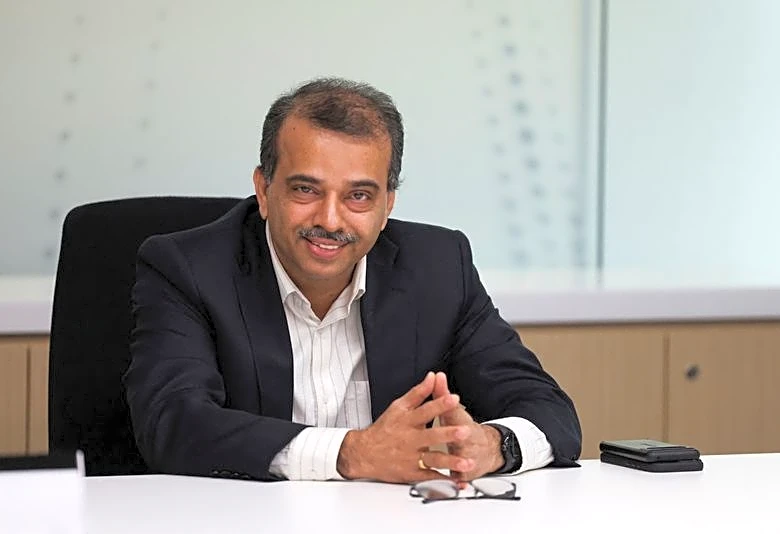
The new AI data center cloud is built on NVIDIA GB200 and other advanced chips, and it integrates with SoftBank's Infrinia AI Cloud OS. This system supports Kubernetes-as-a-service (KaaS) and inference-as-a-service (Inf-aaS) for large language models (LLMs). According to CEO Junichi Miyakawa, the platform aims to provide a secure and integrated computing infrastructure and software for use within Japan. The initiative is part of SoftBank's strategy to enhance its AI capabilities and competitiveness by offering additional compute power and operational software.
Why It's Important?
The launch of SoftBank's sovereign AI cloud infrastructure is significant as it represents a strategic move to enhance Japan's AI capabilities and data security. By focusing on sovereign AI, SoftBank is addressing the growing demand for secure and localized AI solutions, particularly in sectors where data privacy and security are paramount. This development could potentially reduce reliance on international hyperscalers, offering a trusted local alternative for Japanese enterprises. The move also positions SoftBank as a key player in the nascent sovereign AI market, which is becoming increasingly important as AI technologies continue to evolve and integrate into various industries. This could lead to increased competitiveness for Japanese businesses in the global AI landscape.
What's Next?
SoftBank's next steps involve integrating the GPU cloud with AI-RAN and expanding its distributed and sovereign AI capabilities. This expansion is expected to cater to a broader range of industries, including defense, financial services, and healthcare. As the sovereign AI market develops, other regional players like NTT Data and SK Telecom are also advancing their AI offerings, which could lead to increased competition and innovation in the sector. Stakeholders, including businesses and government entities, will likely monitor these developments closely to assess the potential benefits and challenges of adopting sovereign AI solutions.