





What's Happening?
The global sustainable livestock farming market is experiencing significant growth as agriculture increasingly adopts environmentally responsible and technology-driven practices. The market is expected to expand from USD 9.45 billion in 2025 to USD 22.41
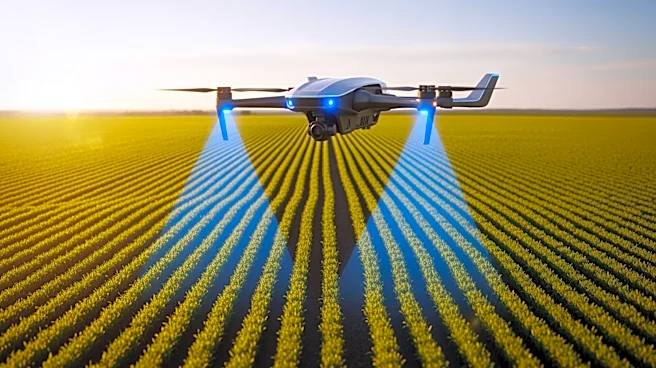
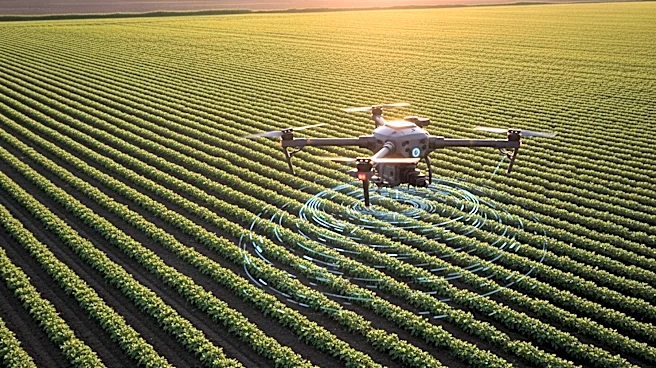
billion by 2035, reflecting a compound annual growth rate (CAGR) of 8.2%. This growth is driven by the need to balance rising food demand with environmental sustainability and economic viability. Sustainable livestock farming integrates advanced technologies with responsible farming practices to improve productivity while reducing environmental impact, enhancing animal welfare, and ensuring long-term profitability for farmers. Key technologies include precision monitoring systems, automation, and regenerative land management, transforming traditional livestock operations into more efficient and sustainable systems.
Why It's Important?
The growth of sustainable livestock farming is crucial for addressing environmental concerns and meeting stricter regulations aimed at reducing greenhouse gas emissions and controlling water pollution. As governments worldwide implement policies to limit the use of antibiotics in animal farming, sustainable systems help farmers comply while maintaining productivity. Additionally, the agricultural sector faces a labor shortage, making automation and smart technologies essential for maintaining operations. Changing consumer preferences also play a significant role, with increasing demand for ethically produced and environmentally friendly animal products. This shift encourages farmers to adopt sustainable practices that align with consumer expectations, potentially leading to more sustainable food production systems.
What's Next?
The sustainable livestock farming market offers significant opportunities, particularly in carbon markets and regenerative agriculture. Farmers adopting sustainable practices can benefit from carbon credit programs, creating additional income streams. Large food companies are supporting these initiatives by investing in supply chains that prioritize environmental responsibility. The integration of AI and predictive analytics presents another promising opportunity, enabling efficient herd management through insights into animal health, fertility, and productivity. As technology becomes more affordable, even mid-sized farms are expected to adopt these solutions, further expanding the market.
Beyond the Headlines
The adoption of sustainable livestock farming practices has deeper implications for global food security and climate change mitigation. By improving soil health and increasing biodiversity, regenerative agriculture practices contribute to ecosystem restoration and carbon sequestration. These practices not only enhance livestock productivity but also offer additional revenue opportunities through carbon credits. As global interest in climate change mitigation grows, such practices are becoming more attractive to both farmers and investors, potentially leading to long-term shifts in agricultural practices and food production systems.