



What's Happening?
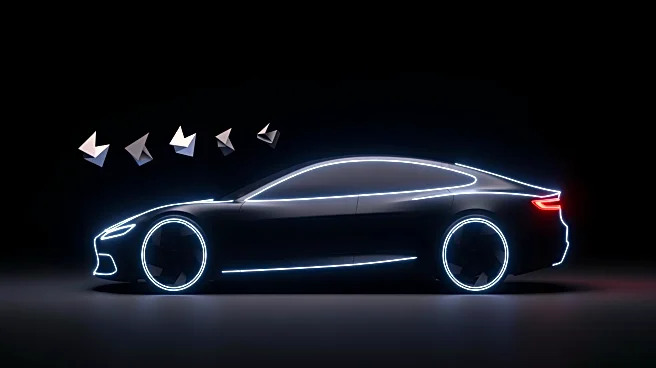
Jaguar has made a significant shift in its production strategy by canceling four next-generation car models to focus exclusively on electric vehicles (EVs). The company, which currently does not sell any vehicles, had previously planned to release new
versions of the XF and XJ sedans, as well as the F-Pace SUV and F-Type sports car. These models were in various stages of development but were ultimately scrapped to prioritize the Type 00, a new electric grand tourer. This decision aligns with Jaguar's commitment to an all-electric future, although the Type 00 is not expected to be available until early 2027. The move is part of Jaguar's strategy to reposition itself in the luxury market, targeting brands like Bentley rather than its traditional competitors such as BMW, Mercedes, and Audi.
Why It's Important?
Jaguar's decision to cancel these models underscores the automotive industry's broader shift towards electrification. By focusing solely on EVs, Jaguar is taking a significant risk, especially as other manufacturers are reconsidering their EV strategies in favor of hybrids or gas-powered vehicles. This move could redefine Jaguar's market position, potentially alienating a significant portion of its existing customer base. The company's strategy reflects a high-stakes gamble to capture a niche luxury market, which could either solidify its status as a leader in luxury EVs or result in financial challenges if the market does not respond favorably. The decision also highlights the pressures on traditional automakers to innovate and adapt in a rapidly changing industry landscape.
What's Next?
Jaguar plans to unveil the production-ready version of the Type 00 by the summer, with order books opening in the fall and deliveries starting in early 2027. The company also intends to release an electric SUV by the end of 2027. As Jaguar moves forward with its EV-only strategy, it will be crucial to monitor consumer response and sales performance. The success of the Type 00 and subsequent models will likely determine Jaguar's future viability and influence its strategic decisions. Additionally, the company's ability to maintain its luxury brand image while transitioning to an all-electric lineup will be a key factor in its long-term success.
Beyond the Headlines
Jaguar's pivot to an all-electric lineup raises questions about the sustainability and practicality of such a strategy in the current market. The decision to abandon hybrid options could limit Jaguar's appeal to consumers who are not yet ready to fully commit to electric vehicles. Furthermore, the high price point of the Type 00 may restrict its accessibility, potentially impacting sales volume. This strategic shift also reflects broader industry trends, as automakers grapple with regulatory pressures and consumer demand for more sustainable transportation options. Jaguar's approach could serve as a case study for other luxury brands considering similar transitions.