







What's Happening?
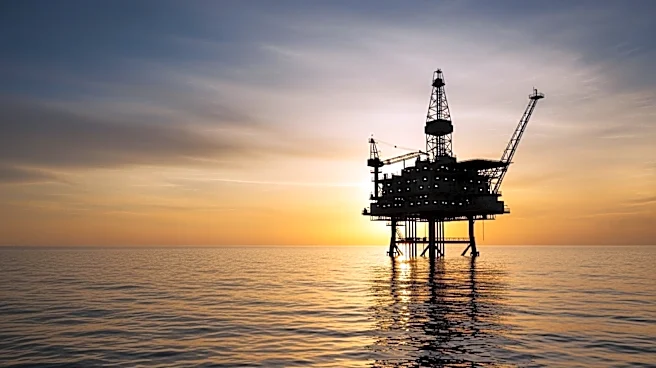
BP, a major player in the oil industry, has begun the process of selling stakes in two of its Gulf of Mexico projects, Kaskida and Tiber. This move marks one of the first significant actions by the company's new CEO, Meg O'Neill. The decision to sell these
stakes, which are estimated to be worth billions, aligns with BP's strategic shift back to focusing on oil and gas investments after a period of exploring renewable energy options. The Kaskida and Tiber projects are among BP's most promising ventures in the Gulf, with each expected to produce 80,000 barrels of oil per day once operational. The sale is part of BP's broader strategy to optimize its portfolio and free up capital for other investments.
Why It's Important?
The sale of these stakes is significant as it reflects BP's strategic realignment under new leadership. By focusing on its core oil and gas operations, BP aims to enhance its financial performance and shareholder value, especially after facing criticism for its previous renewable energy ventures. This move could also impact the U.S. energy market, as BP plans to increase its U.S. output to around 1 million barrels of oil equivalent per day by 2030. The decision comes amid rising oil prices, which have increased by over 40% this year, influenced by geopolitical tensions. The sale could attract interest from other energy companies looking to expand their presence in the Gulf of Mexico.
What's Next?
BP's decision to sell stakes in these projects is likely to attract attention from potential buyers in the energy sector. The company will need to navigate the sale process carefully to maximize returns and ensure strategic alignment with its long-term goals. As BP continues to focus on its U.S. operations, it may seek further opportunities to optimize its portfolio and invest in high-potential projects. The outcome of this sale could influence BP's future investment strategies and its position in the global energy market.