





What's Happening?
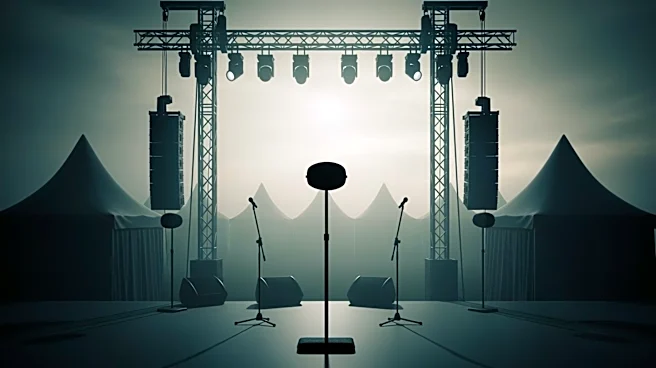
The Wireless Festival, scheduled to take place in Finsbury Park, London, from July 10-12, 2026, has been canceled following significant backlash against the booking of Ye, formerly known as Kanye West, as the headliner. Major sponsors such as Pepsi and
Diageo withdrew their support after Ye's controversial comments about the Jewish community and the Holocaust. UK Jewish groups threatened protests, and the UK government intervened by denying Ye entry into the country. Despite Ye's previous apology for his remarks, the decision to book him was met with widespread criticism, leading to the festival's cancellation.
Why It's Important?
The cancellation of the Wireless Festival highlights the impact of public opinion and sponsor influence on major events. The controversy surrounding Ye's comments and the subsequent withdrawal of sponsors demonstrate the challenges faced by event organizers in balancing artistic choices with public sentiment and political considerations. This incident may lead to changes in how festivals approach bookings, particularly for artists with controversial histories. The economic implications are significant, as the festival was expected to contribute substantial economic activity and employment opportunities.
What's Next?
Festival Republic, part of Live Nation, may need to undergo reputation rehabilitation following the cancellation. The future of Ye's performances remains uncertain, with upcoming shows in other countries potentially facing similar scrutiny. The incident could prompt insurers and promoters to reassess the risks associated with booking controversial figures, potentially affecting Ye's insurability and the financial viability of his future performances.
Beyond the Headlines
The Wireless Festival's cancellation due to Ye's controversial comments underscores the growing influence of social and political issues on the entertainment industry. It raises questions about the ethical responsibilities of event organizers and sponsors in selecting artists. The situation also reflects broader societal debates about free speech, accountability, and the role of public opinion in shaping cultural events.