





What's Happening?
Economists are forecasting that the U.S. housing market will not experience a crash in 2026, but rather a period of stagnation. Key factors contributing to this outlook include persistent affordability challenges, a reluctance among homeowners to sell,
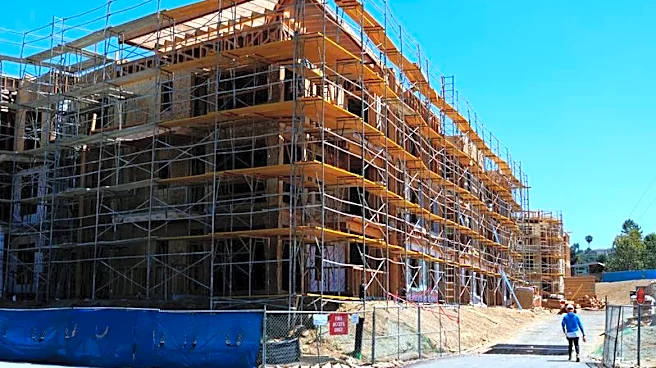
and a slow pace of new construction relative to long-term demand. These issues are expected to keep the market in a prolonged stalemate. The 2008 financial crisis continues to influence housing market fears, but today's lending environment is more disciplined, with better-regulated practices and fewer risky loan products. Despite rising foreclosure filings, they remain historically low, indicating a normalization from pandemic-era lows rather than a systemic crisis.
Why It's Important?
The potential stagnation of the housing market has significant implications for the U.S. economy. Affordability issues could continue to sideline potential buyers, impacting the real estate sector and related industries. Homeowners' reluctance to sell may limit market fluidity, affecting economic mobility and consumer spending. The disciplined lending environment, a legacy of the 2008 crisis, provides a buffer against a crash, but the affordability gap remains a critical issue. This situation underscores the need for policy interventions to address housing affordability and stimulate market activity.
What's Next?
The future of the housing market will largely depend on economic conditions, including mortgage rates and broader economic stability. Any improvement in affordability could trigger a rebound in buyer activity, but this will require careful monitoring of economic indicators. Policymakers and industry stakeholders may need to consider measures to increase housing supply and address affordability challenges to prevent prolonged market stagnation.