






What's Happening?
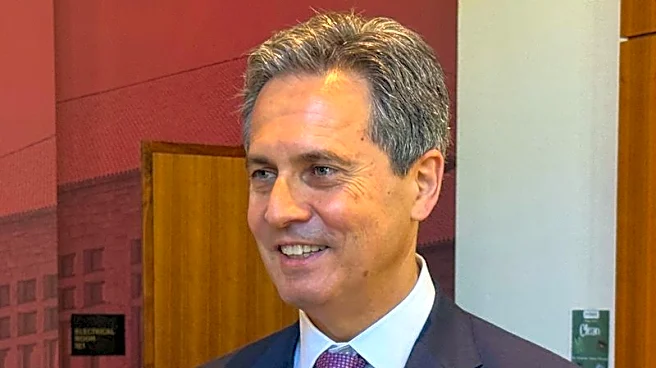
Federal Reserve Vice Chair Philip Jefferson emphasized the importance of returning inflation to the central bank's 2% target, citing the resilience of the U.S. labor market despite current energy shocks. Speaking at a conference in Tokyo, Jefferson highlighted
the challenges posed by rising energy and gasoline prices, which are impacting everyday Americans. He noted that while the energy shock presents a headwind for economic growth, the U.S. economy continues to grow, partly due to expanding investments in artificial intelligence. Jefferson's remarks come shortly after Kevin Warsh was sworn in as the new Fed chair. He acknowledged the difficulty in predicting the Federal Reserve's rate policy due to uncertainties surrounding the duration and extent of the energy shock. Jefferson also mentioned the importance of monitoring the second-round effects of supply shocks and increased investment demand on monetary policy.
Why It's Important?
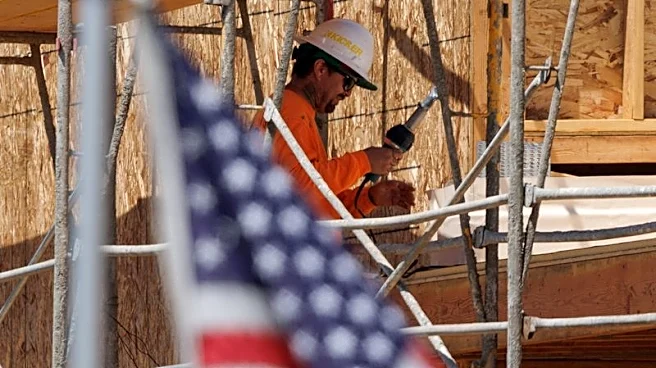
Jefferson's focus on inflation and the labor market underscores the Federal Reserve's dual mandate of price stability and maximum employment. The resilience of the labor market provides a buffer against economic shocks, allowing the Fed to prioritize inflation control. Rising energy prices, however, pose a significant challenge, as they can lead to increased costs for consumers and businesses, potentially slowing economic growth. The Fed's approach to managing these dynamics will be crucial in maintaining economic stability. Additionally, the emphasis on AI investment highlights the role of technological advancements in driving economic growth, even amid external shocks. The Fed's policy decisions in this context will have significant implications for U.S. economic stakeholders, including businesses, consumers, and investors.
What's Next?
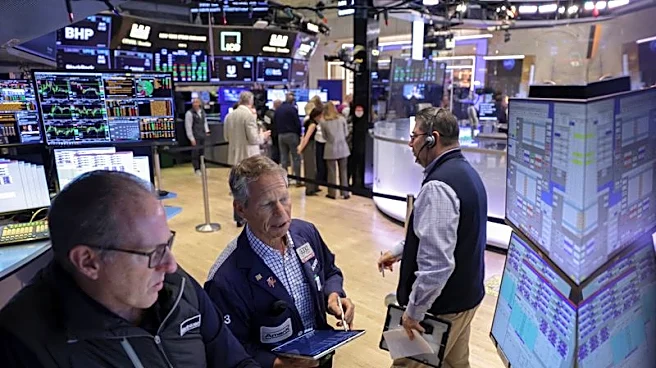
The next Federal Open Market Committee meeting on June 16-17 will be a critical juncture for the Federal Reserve as it assesses the appropriate policy measures to achieve its dual mandate. Jefferson's comments suggest that the Fed will continue to monitor inflationary pressures and labor market conditions closely. The outcome of this meeting could influence future interest rate decisions and monetary policy strategies. Stakeholders, including businesses and financial markets, will be keenly watching for any signals regarding the Fed's approach to managing inflation and supporting economic growth amid ongoing energy shocks.