
What's Happening?
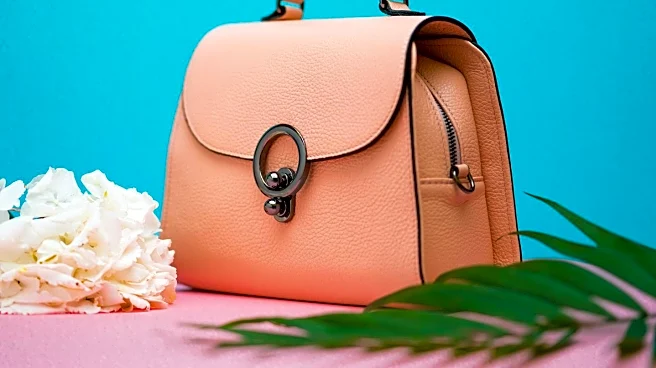
The fashion industry is witnessing a resurgence of iconic 'It bags' from past decades, as celebrities and designers alike embrace vintage styles. Notable figures such as Rihanna and Bella Hadid have been
seen sporting bags from Louis Vuitton's 2000s collaboration with Takashi Murakami and Balenciaga's City bag, respectively. This trend is part of a broader movement where designers are reintroducing retro shapes and styles on the runway. The upcoming New York Fashion Week is expected to showcase these throwback accessories, highlighting the enduring appeal of classic designs. Vogue editors have expressed enthusiasm for the return of various vintage bags, including the Mulberry Bayswater, Marc Jacobs Blake, and Hermès Fourre-Tout, among others.
Why It's Important?
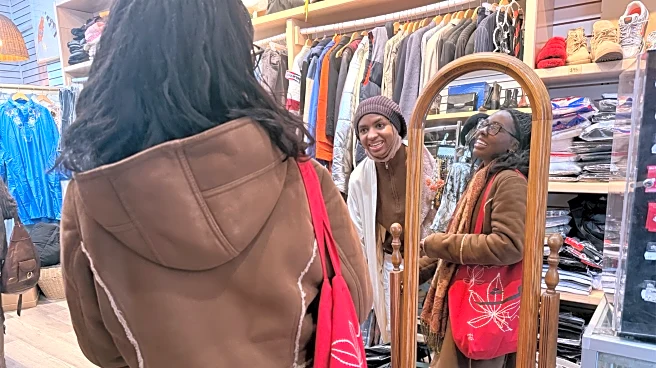
The revival of vintage 'It bags' signifies a shift in consumer preferences towards nostalgia and sustainability in fashion. By reintroducing classic designs, the industry taps into the growing demand for timeless pieces that offer both style and durability. This trend also reflects a broader cultural movement where consumers seek unique, storied items rather than mass-produced goods. For the fashion industry, this could mean a renewed focus on quality craftsmanship and heritage brands, potentially leading to increased sales in the luxury vintage market. Additionally, the trend supports sustainable fashion practices by encouraging the reuse and recycling of existing products.
What's Next?
As the trend of reviving vintage 'It bags' gains momentum, fashion brands may increasingly focus on their archives to bring back popular designs. This could lead to collaborations with contemporary designers to reinterpret classic styles for modern audiences. The upcoming fashion weeks will likely serve as a platform for showcasing these reimagined pieces, potentially influencing future collections. Retailers and vintage stores might also see a surge in demand for these iconic bags, prompting them to stock more vintage items. The trend could inspire other sectors of the fashion industry to explore similar nostalgic revivals, further embedding sustainability into mainstream fashion.