





What's Happening?
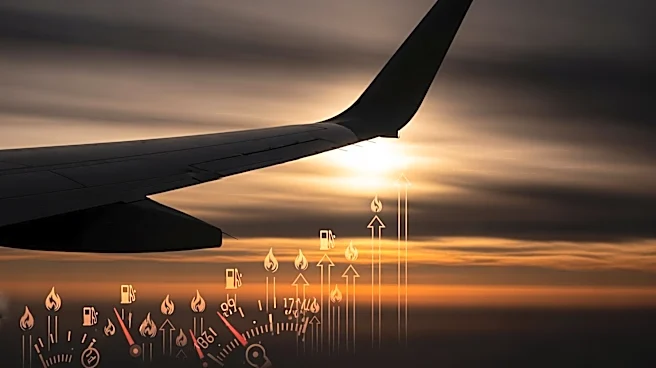
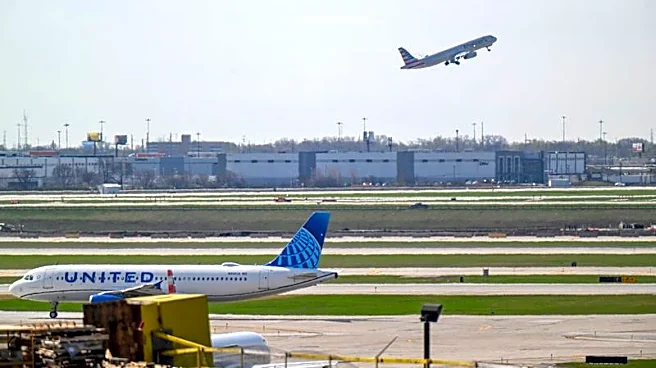
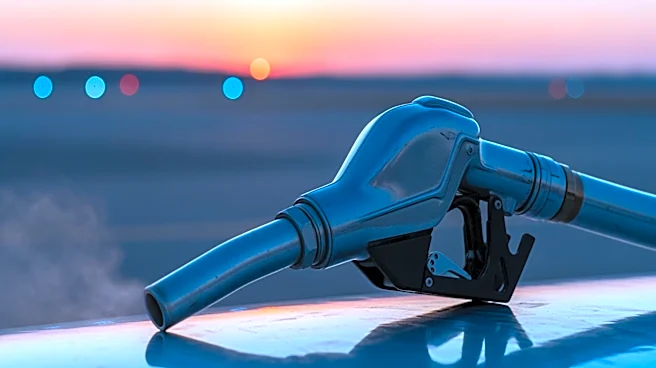
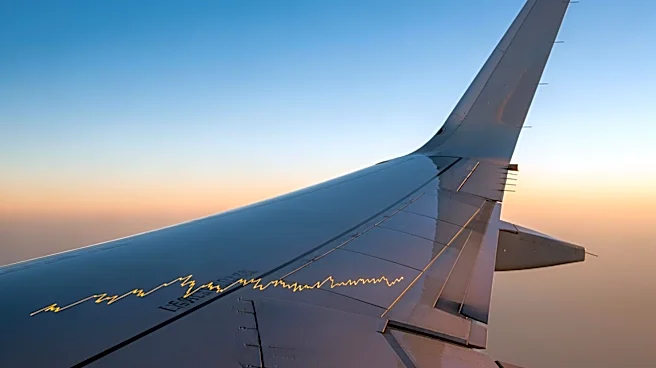
United Airlines has announced that it may need to increase fares by up to 20% to offset the rising fuel costs caused by tensions with Iran. The geopolitical situation has led to a surge in fuel prices, impacting the airline industry significantly. This
development comes as airlines globally are grappling with the financial implications of increased operational costs. The potential fare hike is a direct response to the economic pressures faced by United Airlines, as it seeks to maintain profitability in a challenging market environment.
Why It's Important?
The potential fare increase by United Airlines highlights the broader economic impact of geopolitical tensions on the airline industry. Rising fuel costs can lead to higher operational expenses, which airlines may pass on to consumers through increased ticket prices. This could affect travel demand, particularly for price-sensitive customers, and may lead to a decrease in passenger numbers. The situation underscores the vulnerability of the airline industry to external economic shocks and the need for strategic planning to mitigate such risks.
What's Next?
If United Airlines proceeds with the fare increase, it could prompt similar actions from other airlines facing the same economic pressures. This may lead to a broader industry trend of rising ticket prices, affecting consumer travel behavior. Additionally, the situation may prompt discussions among industry stakeholders and policymakers about strategies to stabilize fuel costs and support the airline industry during geopolitical crises. Monitoring the geopolitical situation and its impact on fuel prices will be crucial for airlines in the coming months.