



What's Happening?
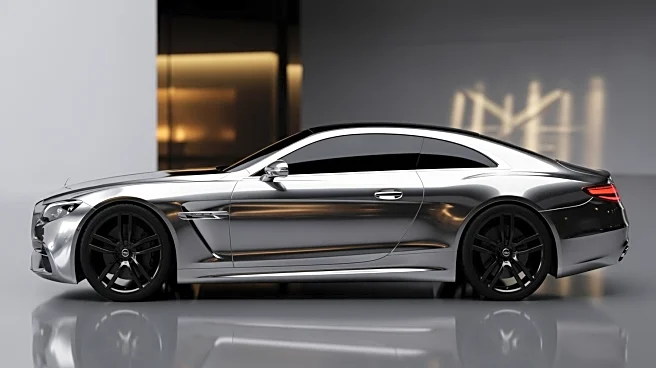
The U.S. luxury car market is projected to experience substantial growth over the next decade, driven by an increasing demand for vehicles priced between $100,000 and $170,000. According to recent research, the market, currently valued at approximately $110 billion, is expected to expand to between $180 billion and $215 billion by 2035. This growth is anticipated to occur at an annual rate of 6 to 8 percent across both new and used luxury vehicle sales. While ultra-luxury and hyper-luxury vehicles priced above $170,000 will also see gains, their growth is expected to be more modest due to practical constraints such as storage and ownership saturation. The used luxury car market is predicted to grow up to 1.5 times faster than the new market, supported
by strong residual values and slower aging perceptions compared to mass-market cars.
Why It's Important?
The projected growth in the luxury car market signifies a shift in consumer behavior and economic trends in the U.S. automotive industry. As new car prices rise, more buyers are turning to lightly used luxury vehicles, which maintain their appeal and value. This trend is particularly notable among Millennials and Gen Z, who exhibit less brand loyalty and are more inclined to explore a variety of options. The increasing digital engagement in the car buying process, with many consumers willing to complete transactions online, is reshaping how luxury vehicles are marketed and sold. Despite economic challenges such as inflation and higher interest rates, the demand for luxury vehicles remains strong, underscoring their role as status symbols and sources of driving enjoyment.
What's Next?
If current trends continue, six-figure vehicles will become more prevalent on American roads, altering perceptions of luxury and accessibility in the automotive market. The expansion of the used luxury car market is likely to continue, driven by consumer preferences for value and variety. Automakers and dealerships may need to adapt their strategies to cater to the evolving demands of younger, digitally-savvy buyers. Additionally, the resilience of the luxury segment amidst economic pressures suggests that manufacturers may focus on enhancing the emotional and experiential aspects of luxury car ownership to maintain consumer interest.